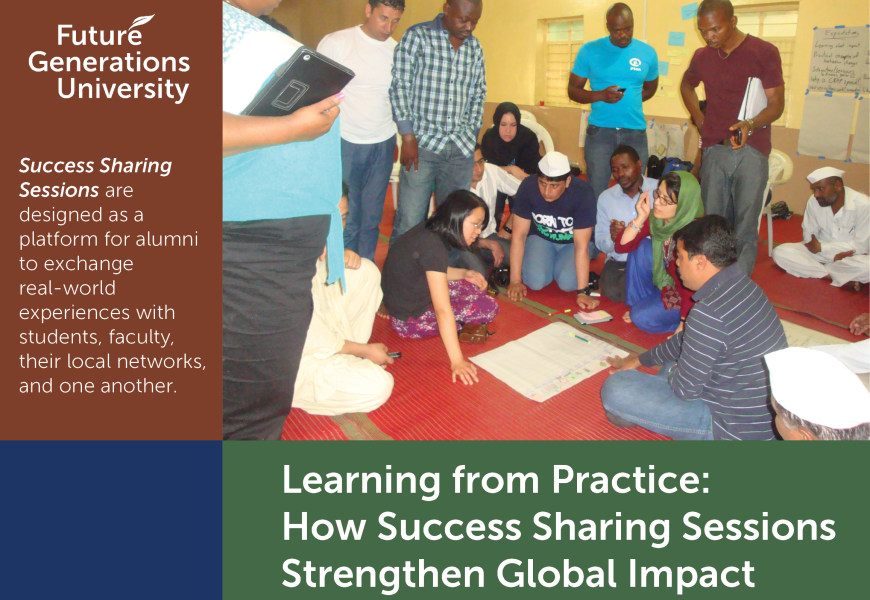
At Future Generations University, learning does not begin and end in the classroom—it lives in communities, in practice, and in the shared experiences of those working every day to create change. The Success Sharing Sessions are one of the ways this living knowledge is disseminated across our network.
Each webinar highlights how locally-grounded solutions can inform global learning. These sessions create space not only to celebrate achievements, but to examine the processes, challenges, and adaptations that make sustainable impact possible.
At their core, Success Sharing Sessions reflect the principles of SEED-SCALE, a core framework taught at the university —particularly the importance of learning from what works, building on local knowledge, and fostering collaboration across contexts. By elevating community-driven initiatives, these sessions reinforce the idea that meaningful change is already happening—and that it can be strengthened through shared insight.
From Local Action to Global Learning
Each session brings forward stories rooted in place but relevant far beyond their point of origin. Whether addressing environmental restoration, public health, humanitarian aid, or community development, presenters share practical examples of how they are applying their skills and knowledge to create lasting impact.
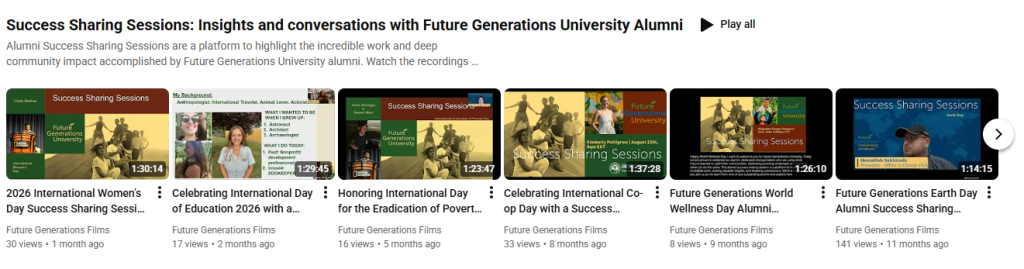
After a year of sharing, we reflect on the journey so far:
2025 International Women’s Day — Ikwo Ona (Class of 2005), Nigeria
In the inaugural Success Sharing Session, Ikwo Ona, executive director of the Centre for Community Empowerment and Sustainable Development (CESDEV), shared her work mentoring women entrepreneurs. She emphasized the importance of addressing holistic needs—such as family support and childcare—to enable sustainable business success, demonstrating how community-based approaches can empower women and strengthen livelihoods.
2025 Earth Day — Besmillah Sakhizada (Class of 2013), Afghanistan
Besmillah explored how humanitarian aid can drive environmental sustainability through initiatives such as Cash for Work, renewable energy, terrace farming, and honey production. Drawing from work with Future Generations Afghanistan, he demonstrated how community involvement can transform disaster response into long-term resilience and sustainable development.
2025 World Wellness Day — Alejandro Vargas Vásquez (Class of 2009), Peru
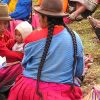
Alejandro, a public nutritionist, addressed anemia as a major public health challenge, particularly for children in rural areas. Through a community-led initiative, some communities reduced child anemia by up to 98%. His work highlights the importance of behavior change at the household level and shows that lasting impact requires working directly with families—not policy alone.
2025 International Cooperative Day — Kimberly Pettigrew (Class of 2024), USA
Kimberly shared how cooperation strengthened food systems in Knoxville, Tennessee, during the COVID-19 pandemic. Through initiatives such as church-based gardens, healthy food financing, and a community-run veggie bus, local networks ensured access to fresh food—demonstrating how collective action builds resilience, economic opportunity, and long-term wellbeing.
2025 International Day for the Eradication of Poverty — Asres Greda (Class of 2014), Ethiopia & Samuel Meya (Class of 2014), Malawi
Asres, working in Sudan, and Samuel, in Malawi, presented field-tested, community-driven approaches to reducing poverty and strengthening resilience.
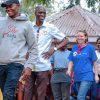
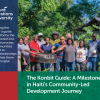
- Samuel Meya highlighted the Banki pa Mjigo (Borehole Savings & Loans) model, which transformed water maintenance systems into engines for economic growth—reducing repair times, improving health, and enabling families to invest in education and livelihoods.
- Asres Greda shared insights from one of the world’s largest humanitarian crises, demonstrating how integrated programming across health, nutrition, WASH, and cash assistance supports displaced populations while rebuilding community systems.
2026 International Education Day — Rosie Lynch (Class of 2020), USA
Rosie Lynch, founder of Wild Child: Museum & Menagerie, shared her work creating a nature-inspired learning space for children and families. Her approach supports biological, socioemotional, and intellectual development through play, connection, and curiosity, offering an innovative model for community-centered education.
2026 International Women’s Day — Hon. Chido Madiwa (Class of 2014), Zimbabwe
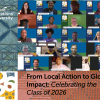
Hon. Chido Madiwa, former Member of Parliament and current commissioner with the Zimbabwe Anti-Corruption Commission, shared her leadership in advancing landmark reforms for women’s rights. Her work contributed to raising the legal marriage age 0from 16 to 18 and establishing mandatory sentencing for gender-based violence. Reflecting on her journey, she emphasized the importance of informed leadership and women’s participation in decision-making.
These sessions align with global days of celebration, carefully chosen to uplift the University’s enduring value tenets, creating opportunities to connect local efforts to broader global conversations. These sessions not only highlight the work of individuals but also demonstrate how collective action contributes to larger systems of change.
Through these interactive conversations, participants gain insight into how to navigate similar challenges in their own work and community, ways to build new or different partnerships, and what efforts they might take that will lead to broader transformation.
A Space for Exchange, Reflection, and Connection
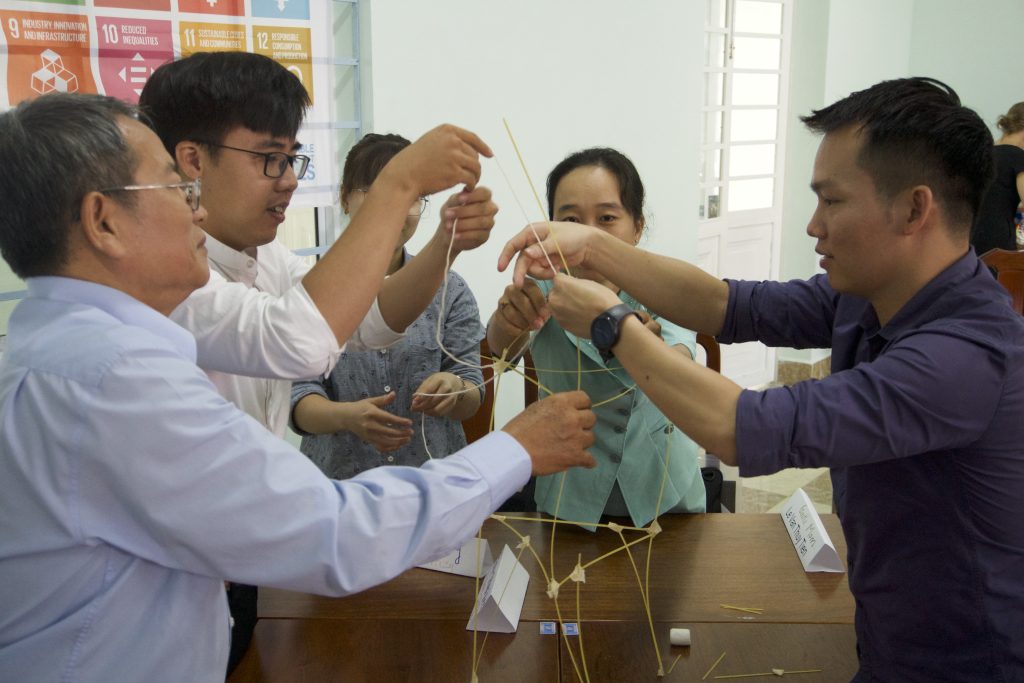
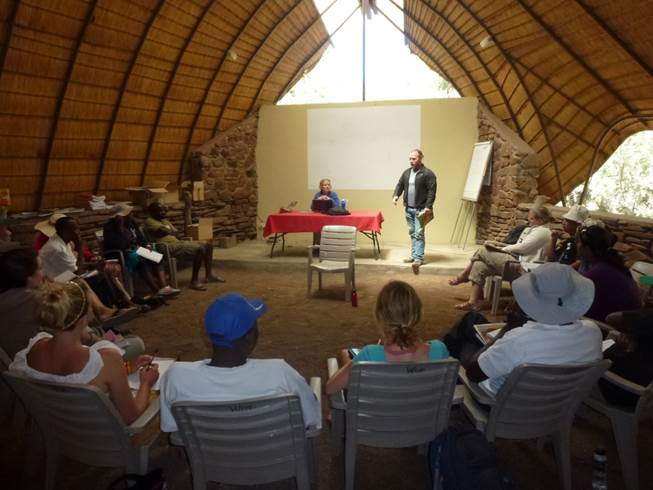
Success Sharing Sessions are intentionally interactive. Participants are encouraged to engage through questions, dialogue, and reflection—creating a dynamic learning environment that mirrors the collaborative nature of community work.
For alumni, these sessions provide a valuable opportunity to reconnect with peers, share their own experiences, and learn from others working in different regions and sectors. For current students and partners, they offer a window into how applied learning translates into long-term impact and the value of Future Generations University’s teachings
This exchange strengthens the global network of Future Generations University, reinforcing connections that extend beyond individual projects and into ongoing collaboration.
Building an Evidence Base for Impact
Beyond storytelling, Success Sharing Sessions contribute to a growing body of evidence about what works in community development. By documenting and sharing these experiences, the University continues to build a foundation of proof grounded in practice. This approach aligns with the University’s broader commitment to evidence-based, community-driven development, where learning is iterative and continuously shaped by those closest to the work.
Looking Ahead
As Success Sharing Sessions continue to evolve, they remain a vital part of how Future Generations University connects learning with action. By centering real-world experience, fostering dialogue, and amplifying community voices, these sessions ensure that knowledge is not only generated—but shared, adapted, and applied.
In a world facing complex and interconnected challenges, platforms like these remind us that solutions already exist within communities—and that by learning from one another, we can scale impact in meaningful and sustainable ways.