
Written by 6:12 pm Voices of Future Generations, Voices of Students

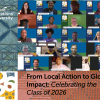
From Local Action to Global Impact: Celebrating the Future Generations University Class of 2026

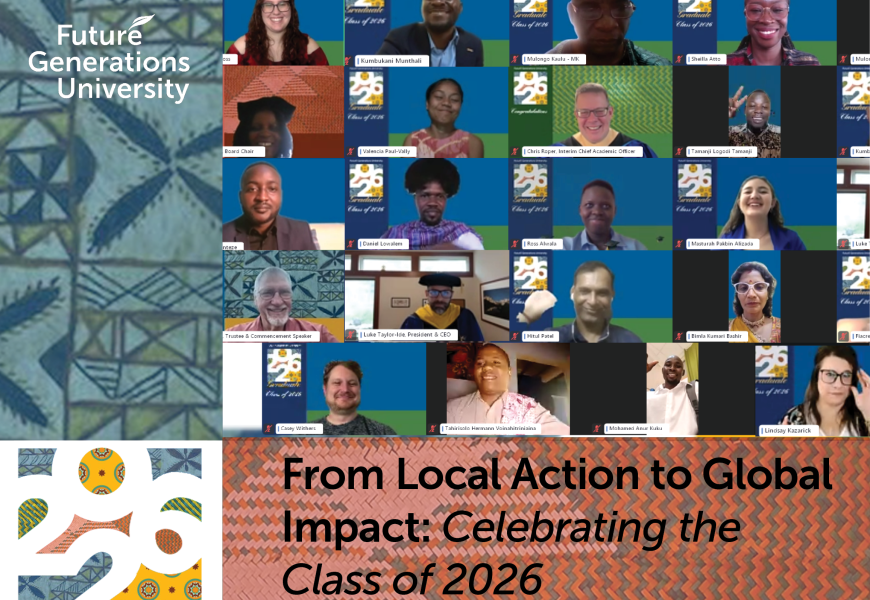
This summer, the largest and most diverse cohort of Future Generations University graduates addresses the complex challenges facing communities around the world.

Every community faces challenges – children without access to quality education, families living with the stigma of disease, farmers adapting to a changing climate, communities recovering from conflict, and young people searching for opportunity. Yet within each of these communities lies resilience, knowledge, and the capacity to create lasting change. This belief – that sustainable development begins by building on the strengths already present within communities – unites the graduates of Future Generations University’s Class of 2026. Representing twenty professionals from Africa, Asia, North America, and the Pacific, this graduating class includes educators, humanitarian leaders, agricultural specialists, peacebuilders, public health practitioners, entrepreneurs, and community advocates whose work demonstrates that meaningful change is rooted in local leadership.

Throughout their studies in Applied Community Development, these graduates transformed academic learning into real-world action. Coursework became strategic plans for nonprofit organizations, educational models for underserved children, community health initiatives, policy advocacy, social enterprises, and innovative approaches to strengthening livelihoods and protecting natural resources. Across their learning, one message emerged consistently: lasting progress begins by listening to communities, recognizing their existing strengths, and creating partnerships that empower people to shape their own future. These graduates have demonstrated that sustainable solutions are built through collaboration, local ownership, and continuous learning.

The spotlights here celebrate far more than academic achievement. They showcase leaders and they reflect the growing global network of Future Generations University graduates whose work reminds us that transformative change does not begin with outside intervention – it begins with people, partnerships, and the belief that every community already holds the seeds of its own future.

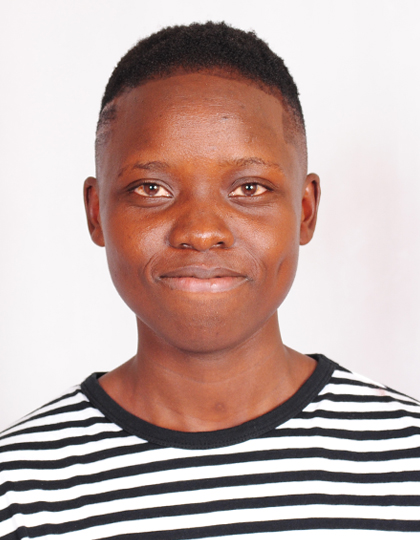
Ross Alwala

Train Your Brain | Kenya

Community focus: Expanding affordable mental health care through social entrepreneurship, policy advocacy, and digital innovation.

Ross Alwala turns lived experience into public action. As founder and CEO of Train Your Brain, they are building a Kenyan social enterprise that treats mental health care as a right rather than a privilege reserved for people who can afford it. Their work brings together advocacy, technology, entrepreneurship, and community engagement to reduce stigma and make support more accessible.

During the program, Ross used their coursework as a living laboratory for organizational growth. Train Your Brain developed an investor-ready pitch deck, secured new funding, expanded its team from four to six members, redesigned its website, and began testing a mental health mobile application and educational films. Their advocacy also contributed to the repeal of Section 226 of Kenya’s Penal Code, which criminalized attempted suicide. Their work shows how community care and systems change can reinforce one another.

"The goal is to build Africa's leading mental health center, ensuring that mental health care is a right everyone can access rather than a privilege for those who can afford it."

Shiella Atto addresses hunger and learning together. Through Learning Alliance and as co-founder of Every Learner Feeds, she works with schools, families, and local organizations to improve educational outcomes for children in underserved rural communities. Her guiding insight is simple: children cannot fully participate in learning when food insecurity is part of their daily experience.

What began as a school feeding and gardening effort has expanded from one school to 25, improving attendance, classroom participation, nutrition awareness, agricultural skills, and school-community collaboration. Shiella also strengthened literacy through teacher coaching, simplified phonics lessons, classroom routines, and Early Grade Reading Assessment tools. Reported results included improved sound recognition, word blending, decoding, learner participation, and teacher confidence. She demonstrates that education becomes stronger when communities invest in the whole child.

Shiella Atto

Learning Alliance and Every Learner Feeds | Uganda

Community focus: Strengthening literacy and school nutrition through school-community partnerships, educator development, and family engagement.

"A hungry child cannot learn."

Bimla Kumari Bashir

Public Educator | India

Community focus: Building community ownership through participatory leadership, experiential education, and applied learning.

Bimla Kumari Bashir brings community development into the school environment. Her work is grounded in the belief that students and communities can transform existing resources when they are invited to identify possibilities, organize themselves, and learn by doing.

One of her clearest examples is a student kitchen garden created on land already available at her school. Students organized themselves to grow chickpeas, carrots, potatoes, mustard, fenugreek, and other crops, turning unused space into a living classroom for agriculture, cooperation, and responsibility. Across her graduate work, Bimla applied community mapping, social research, planning, and ethical engagement directly to practice. She also came to understand leadership less as directing others and more as listening, adapting, and creating conditions for shared decision-making.

"Leadership is not about imposing rules. It requires communication, empathy, organization, and adaptability."
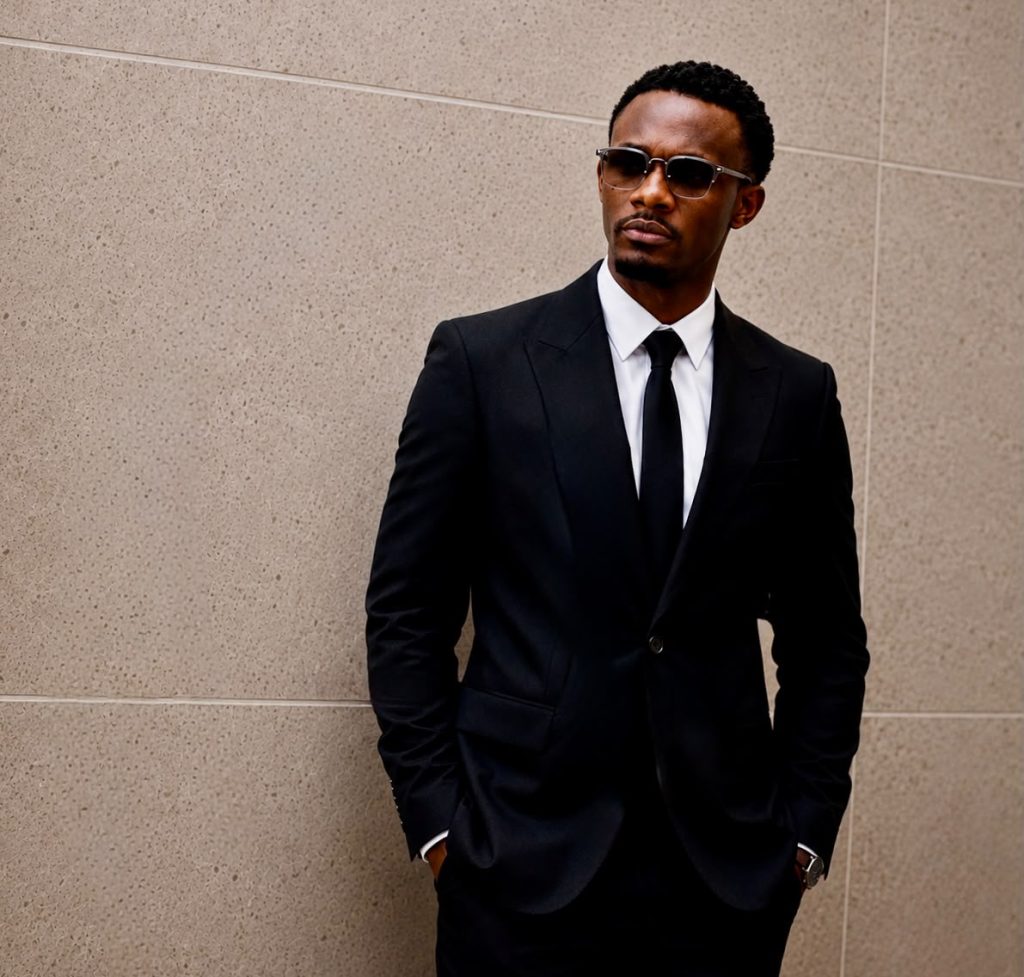
Kennedy Gee is committed to community development in Liberia, where his work centers on empowering young people, strengthening local leadership, and expanding opportunity in education, employment, and health care.

His reflection on the program is grounded in a practical understanding of sustainable development: lasting change is built with communities, through listening, collaboration, and community-based action. Kennedy leaves the program with a renewed sense of purpose and a commitment to help communities shape their own futures.

Kennedy Gee

Liberia Career Pathways | Liberia

Community focus: Community development, youth leadership, education, employment, and health care

"Sustainable development is not just about doing things for people. It is about working with community, listening to their voices, and empowering them to become part of the solution."
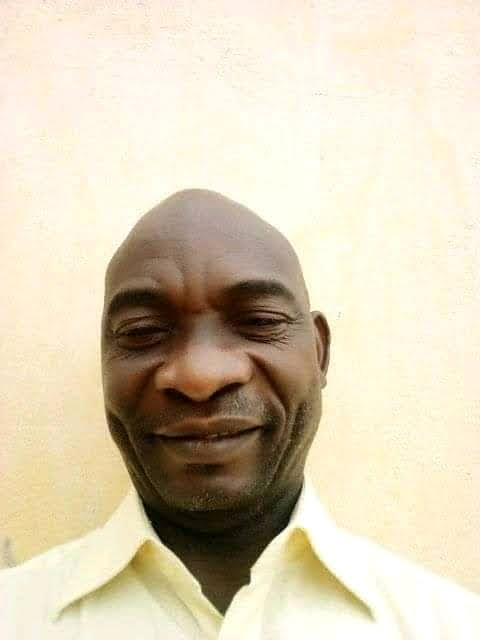
Mulongo Kaulu

Community Health and Human Rights | Democratic Republic of the Congo

Community focus: Reducing HIV-related stigma by connecting community health, human rights, psychosocial support, and economic empowerment.

Mulongo Kaulu’s work begins with a conviction that health is inseparable from dignity. Through the NGO he leads in the Democratic Republic of the Congo, he addresses the stigma and discrimination faced by people living with HIV while strengthening maternal and child health, livelihoods, psychosocial support, and community participation.

His approach brings together legal advocacy, accompaniment to medical appointments, income-generating support, community education, and nurse training in psychosocial care. Children from HIV-positive families are supported to remain fully included in school and community life. Mulongo also helped establish a Community Review Board focused on ethics and human rights and built new maternal and child health partnerships. His work shows that better health outcomes require more than clinical services: they require communities willing to replace fear with inclusion.

"My ambition is to encourage people living with HIV to accept their status and live positively with hope."
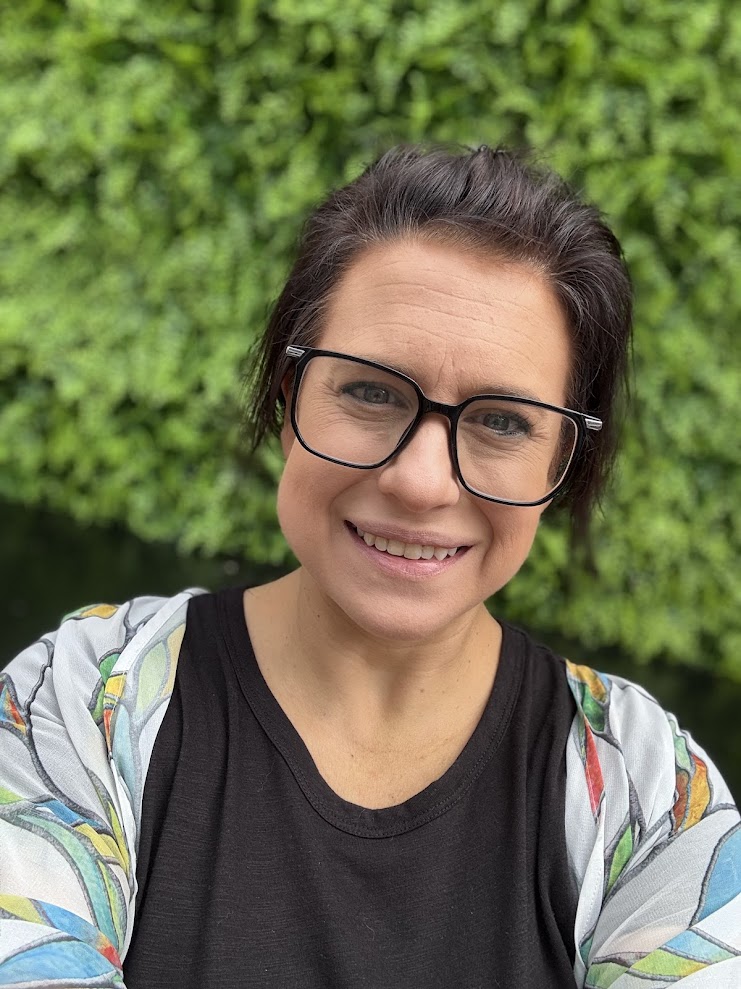
Lindsay Kazarick has come to see communication as a form of community development. Working with programming in Appalachia, she uses storytelling, participatory research, and strategic communications to connect people, places, and opportunities while helping communities speak in their own voices.

Her independent research with West Virginia maple producers, conducted under Institutional Review Board approval, produced practical resources for agritourism, visitor readiness, business development, and producer storytelling. Her work has supported initiatives such as Mountain State Maple Days and Maple Passport programs while preserving the cultural identity behind the industry. Lindsay’s leadership has also evolved: rather than placing herself at the center, she focuses on creating the conditions in which producers, students, institutions, and community partners can be heard and succeed.

Lindsay Kazarick

Appalachian Community Development Communications| Central Appalachia, United States

Community focus: Using ethical storytelling and applied research to strengthen rural economies and community identity.

"I started to see storytelling not simply as a marketing tool, but as a community development practice."
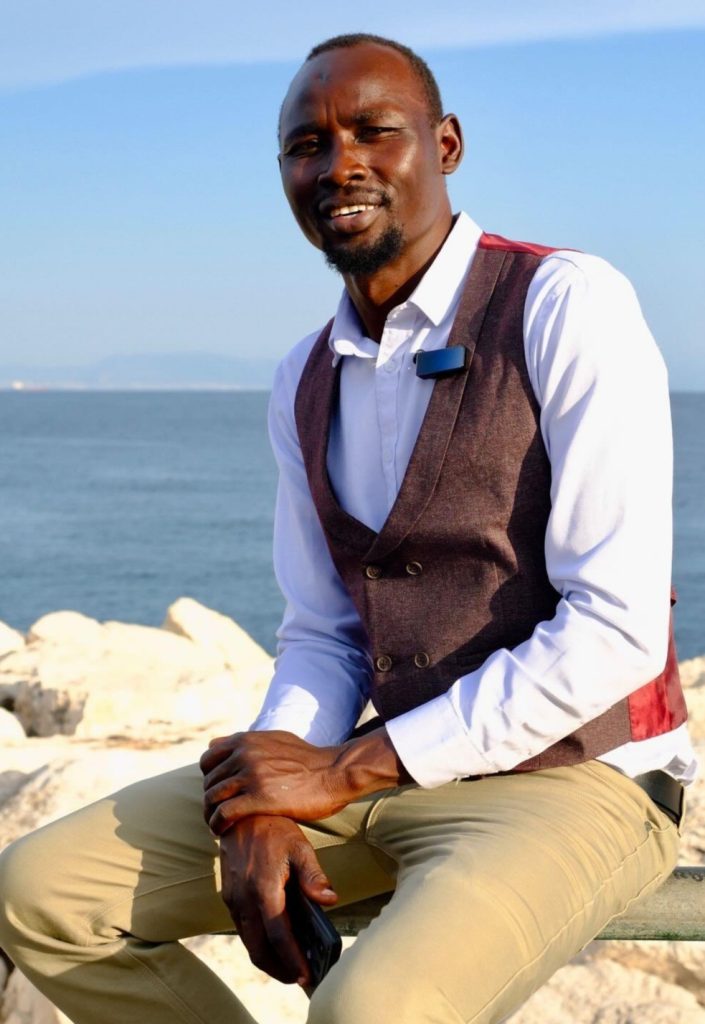
Mohamed Kuku

Inspire for Change | Kakuma Refugee Camp, Kenya; originally from Sudan

Community focus: Advancing refugee-led education, women’s livelihoods, environmental health, and local leadership.

Mohamed Kuku has turned the experience of displacement into a platform for refugee-led development. After fleeing Sudan and building his life in Kakuma Refugee Camp, Kenya, he co-founded Inspire for Change, a registered community-based organization that supports education, livelihoods, and environmental stewardship.

The organization helps refugee students prepare scholarship applications, write personal statements, build digital literacy, and connect with mentors who have studied internationally. It also supports women through entrepreneurship training, financial literacy, small-business coaching, and small grants. Community-led clean-up and sanitation campaigns address plastic waste and help prevent waterborne disease. Across these efforts, Mohamed is building a cycle in which people who receive support become mentors and leaders for others.

"Success starts from us, and we have many resources to start with before looking elsewhere."
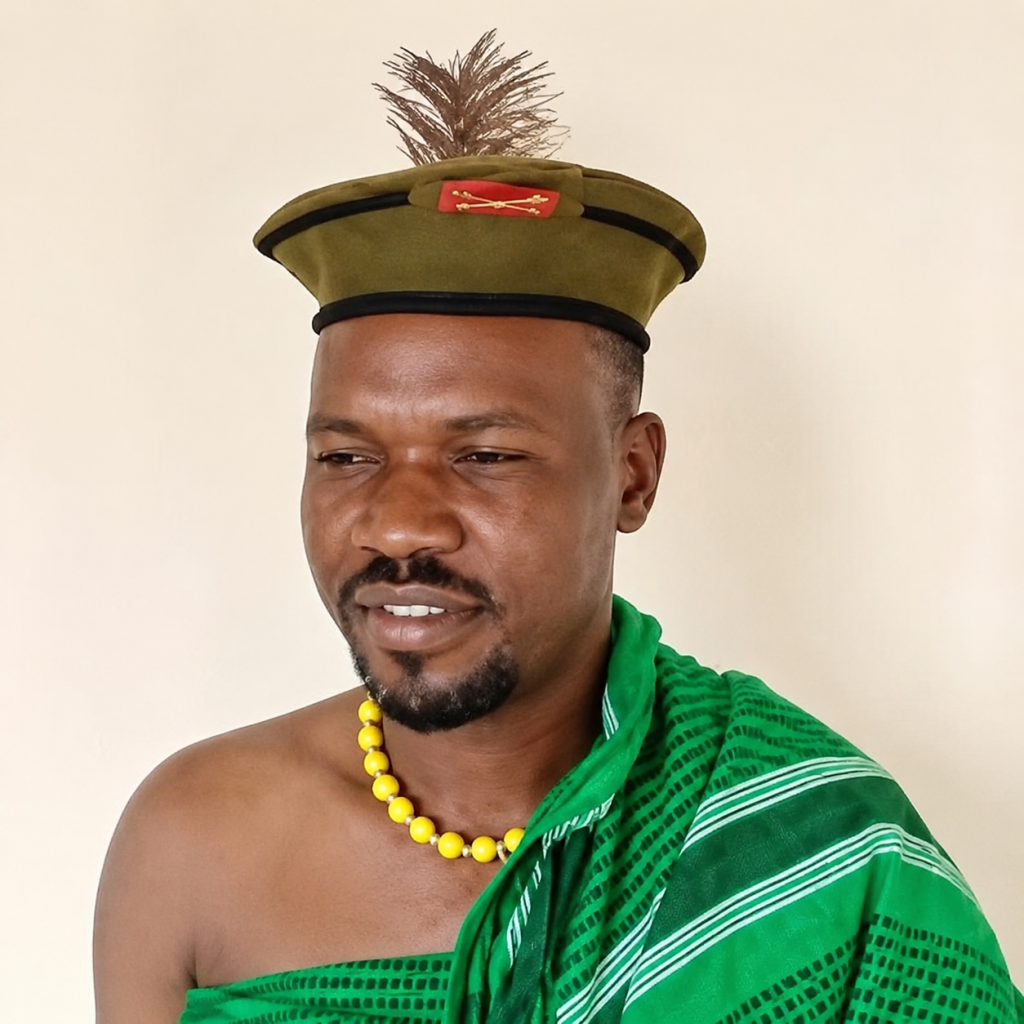
Daniel Lowalem connects peacebuilding to the land, water, and livestock that sustain pastoralist communities in Karamoja. Drawing on his own experience growing up as a shepherd, he works across Uganda, Kenya, and South Sudan to address resource-based conflict while ensuring that women, youth, clan leaders, and local organizations have a role in shaping solutions.

A distinctive part of Daniel’s work is participatory GIS mapping. By combining indigenous knowledge with digital tools, communities and government partners can visualize grazing routes, water sources, seasonal migration, and conflict hotspots. These maps have supported cross-border dialogue, joint grazing arrangements, and more informed planning. Daniel also supports a regional umbrella organization representing 88 civil society organizations in Karamoja. His work demonstrates that technology is most useful when it helps communities make their own knowledge visible and actionable.

Daniel Lowalem

AT Development Organization | Karamoja, Uganda

Community focus: Strengthening peacebuilding through indigenous knowledge, participatory leadership, and GIS-based community resource mapping.

"Communities already possess valuable knowledge, capacities, and experiences that form the foundation for sustainable change."
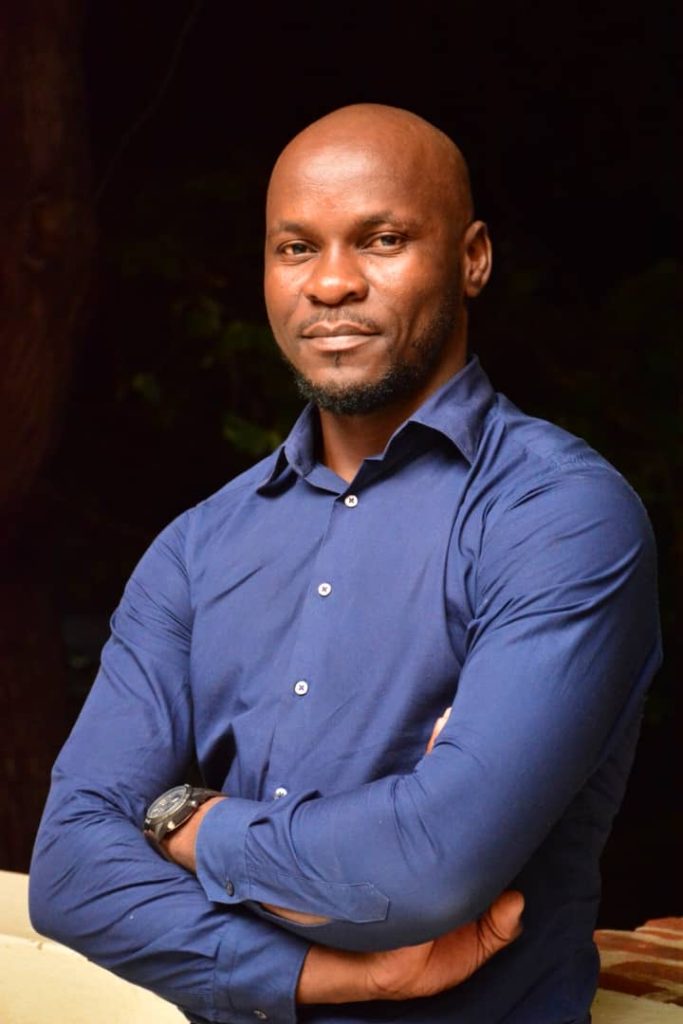
Kumbukani Munthali

Ireland Malawi Agri-Food Systems Programme | Malawi

Community focus: Strengthening community-owned agricultural enterprises, farmer leadership, and accessible extension services.

With more than 15 years in agriculture, monitoring and evaluation, agribusiness, and community development, Kumbukani Munthali entered the program looking for a deeper explanation of how sustainable change happens. He emerged with a sharper focus on helping communities strengthen movements and enterprises they already own.

Kumbukani supports the Lahena community-owned enterprise, which is built on a network of 1,585 farmers organized through 86 Village Savings and Loan Groups. He also developed highly visual poultry-training materials for farmers with varying literacy levels through Yellow Colo, making technical knowledge more practical and accessible. During the program, he advanced from Monitoring, Evaluation and Grants Lead to Country Lead for the Ireland Malawi Agri-Food Systems Programme. His story shows how professional growth and community ownership can move together.

"Development is not something you do to a community; it is something you help the community do for itself."

Fiacre Niyonteze shows how culture and creativity can become engines of community development. As a playwright and communications specialist, he works with Orunana Development Communication to create educational radio dramas through participatory workshops that turn community experiences into stories for social and behavioral change.

He also founded the Simuka Club at his former secondary school to strengthen the use of Kinyarwanda while building youth confidence and leadership. Students write original stories, practice grammar, present to peers, receive feedback, and learn from cultural leaders. When members of the club appeared on Rwanda’s TV10 network, they became public ambassadors for their language and culture. Fiacre’s work makes a compelling case that local culture is not simply something to preserve; it is a resource communities can use to organize, learn, and lead.

Fiacre Niyonteze

Orunana Development Communication and Simuka Club | Rwanda

Community focus: Using storytelling, language preservation, and youth leadership as tools for social change.

"Storytelling is not only art - it is a tool I can use for community development and for social change."
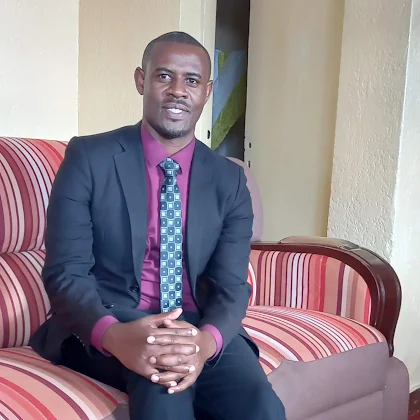
Jean Pierre "JP" Ntarindwa

Coffee-growing communities | Burundi

Community focus: Strengthening coffee-growing communities through sustainable agriculture, climate resilience, and local leadership.

Jean Pierre, known as JP, works with coffee-growing communities in Burundi to connect agricultural production with stronger livelihoods and healthier ecosystems. Rather than treating coffee as a single-crop business, he supports a broader model of rural development in which farmers, women, youth, and village groups help define their own priorities.

His fieldwork highlights agroforestry, organic coffee production, climate-smart agriculture, and land restoration. Intercropping coffee with trees can reduce erosion, improve soil fertility, conserve water, provide shade, increase biodiversity, and strengthen household food security while improving coffee quality. JP’s own learning journey involved moving from directing activities to facilitating community participation. The result is work that treats local knowledge and leadership as essential resources for rural resilience.

"Lasting change comes not only from external solutions but also from the energy, knowledge, and leadership already present within my community."
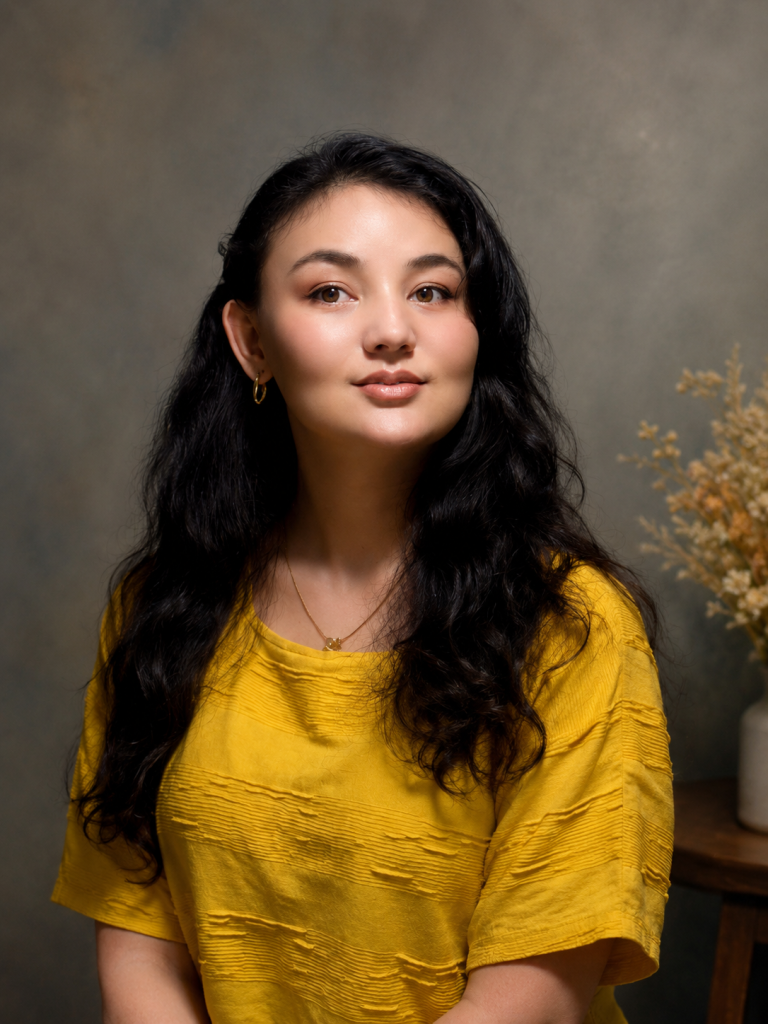
Masturah Pakbin Alizada has built her career around keeping education accessible during crisis and displacement. Her experience includes work with BBC Media Action, the development of School on Radio programming during the COVID-19 pandemic, and teacher training for Rohingya refugee education initiatives supported by UNICEF.

Her graduate work brings those experiences into a long-term vision for community-led education for Afghan girls. She emphasizes online learning, volunteer educators, low-cost digital tools, ethical responsibility, and local participation rather than short-term intervention alone. Her approach recognizes that sustainable education depends on collaboration among families, teachers, community members, and partners. Masturah’s work illustrates how education can remain a source of dignity, leadership, and possibility even in the most difficult circumstances.

Masturah Pakbin Alizada

Afghanistan Peace and Justice Organization (APJO) | Afghanistan

Community focus: Expanding educational opportunity for Afghan girls through community participation, technology, and sustainable learning systems.

"Supporting Afghan girls' education requires collaboration, local involvement, and long-term planning rather than short-term intervention."
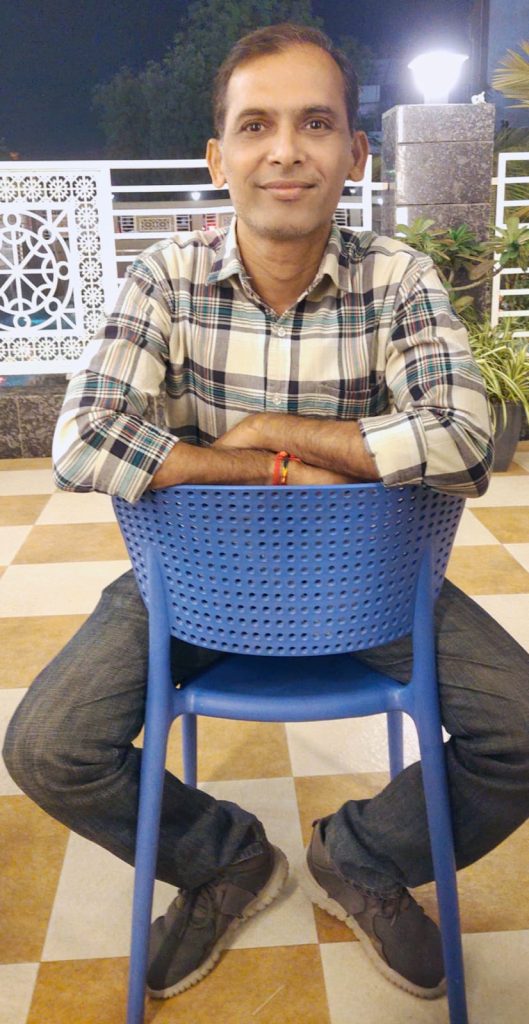
Hitul Patel

Super Roadies Foundation, TCS Hope, and BAPS Swaminarayan Sanstha | Vadodara, Gujarat, India

Community focus: Connecting corporate, volunteer, and faith-based service to strengthen community resilience.

Hitul Patel brings together sectors that are often treated separately: corporate social responsibility, grassroots volunteerism, disaster relief, and faith-based service. Across Super Roadies Foundation, TCS Hope, and BAPS Swaminarayan Sanstha, he has helped organize work that responds to immediate needs while building relationships and local capacity.

His experience includes disaster response, blood donation, food distribution, environmental initiatives, educational support for children, winter blanket distribution, and volunteer service with orphanages. The program gave Hitul practical tools for evaluating programs, mentoring volunteers, strengthening nonprofit management, and making service more strategic and evidence-informed. His work shows that resources matter, but trust, relationships, and participation are what allow service to become sustainable development.

"Sustainable development is built on trust, relationships, and local participation."
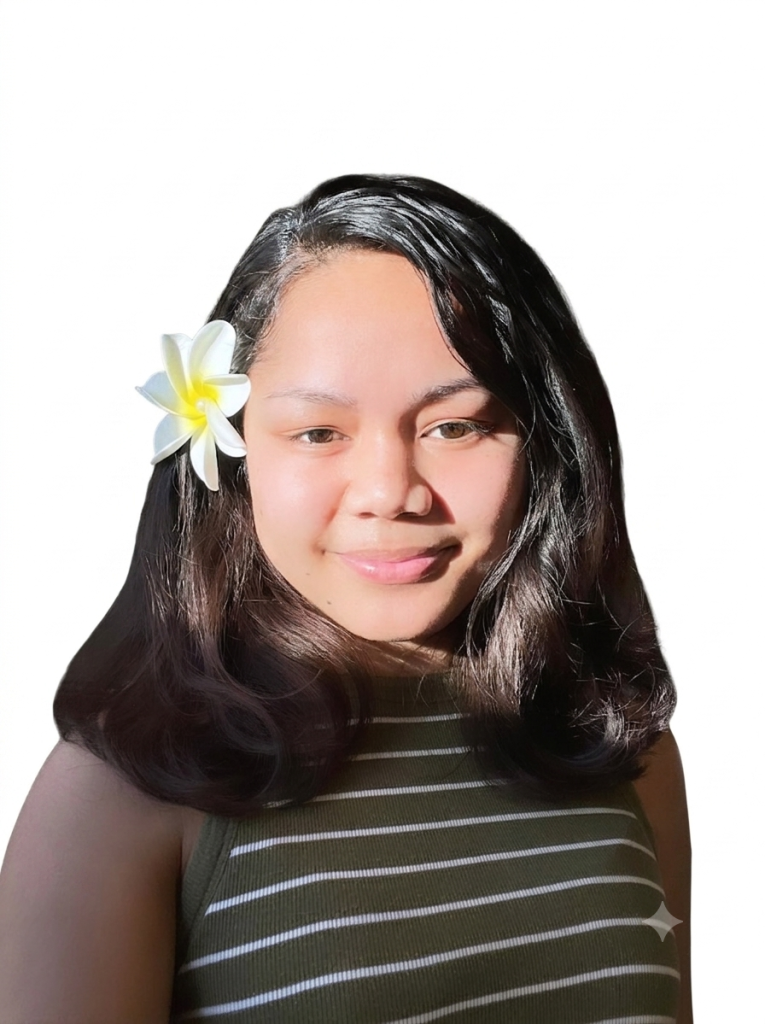
Valencia Paul brings the perspective of someone who grew up on a small island and has seen how youth groups and volunteers can help create change close to home. Now based in Pennsylvania, she works with Collaborating for Youth, an organization focused on community-wide change for young people and families in Adams County, including the Hispanic community.

Her work is centered on helping youth and families build healthy lifestyles, while her long-term goal is to bring what she is learning back to her home island. Valencia’s graduate experience strengthened her understanding of leadership as a shared practice—one built by listening to local knowledge, learning across differences, and working together toward a common goal.

Valencia Paul-Vally

From Micronesia; based in Pennsylvania, USA

Community focus: Youth and family well-being, healthy lifestyles, and community collaboration

"Real change doesn't happen by one person alone. It happens when we listen to others, value local knowledge, and work together toward a common goal."
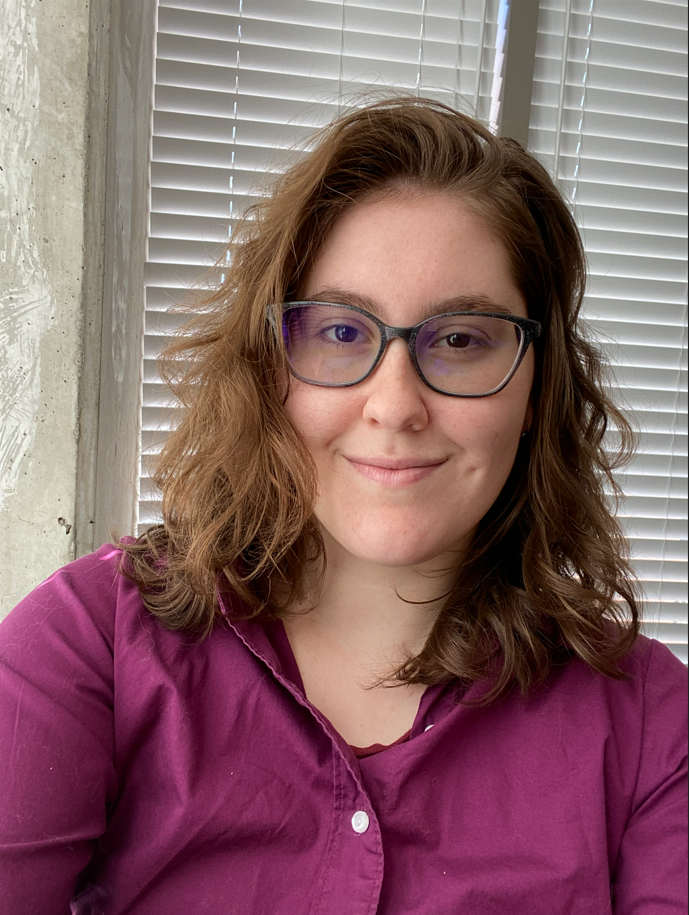
Hannah Ross

Community education and workforce development | United States

Community focus: Designing sustainable educational programs through partnership, evaluation, and continuous improvement.

Hannah Ross treats educational programming as a collaborative process that begins with listening. Her work brings together educators, researchers, community organizations, and institutional partners to design programs that build on existing successes and measure meaningful changes in behavior rather than simply counting completed activities.

During the program, Hannah developed a social entrepreneurship internship model, created implementation work plans and logic models, and proposed longitudinal evaluation for U.S. Navy STEM internships. She also coordinated a three-way partnership among George Washington University, STEM laboratories, and community organizations to give students immersive research experiences. Her approach is both practical and reflective: design with partners, learn from evidence, and make the next version better than the last.

"Very little happens in community without partnership, shared resources, and listening to everybody who's going to be involved."
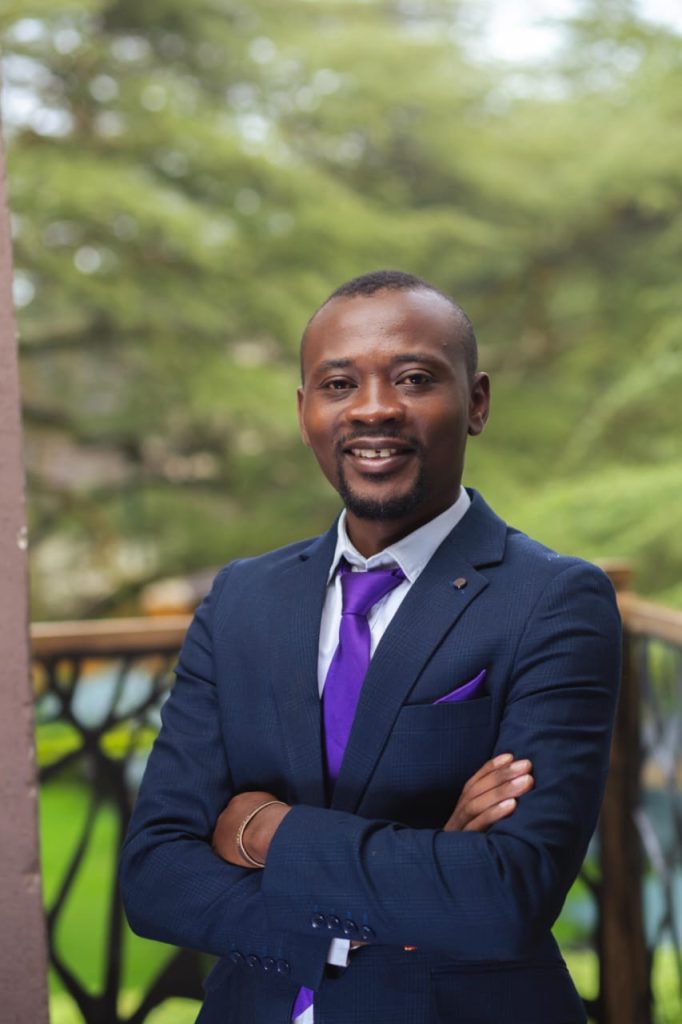
Samuel Binja Cimanuka understands education as a pathway to dignity, resilience, and self-reliance. A Congolese refugee living in Kenya, he helped guide the Kalobeyei Initiative from an after-school club toward Kenya’s first officially registered refugee-led primary school: Light Academy.

During the program, Samuel helped develop the organization’s first multi-year strategic plan, strengthened fundraising, and built an education-family-livelihood model that now serves more than 400 refugee children. Parents participate as co-educators, mentors, food growers, uniform makers, and partners in school governance. The organization also increased its annual budget from $150,000 to $500,000 and was named a Top 50 finalist for the Global Schools Prize. Samuel’s work shows what becomes possible when refugee families are treated as leaders in education, not only as recipients of services.

Samuel Binja Cimanuka

Kalobeyei Initiative and Light Academy | Kakuma Refugee Camp, Kenya; originally from the Democratic Republic of the Congo

Community focus: Transforming refugee education through family participation, community ownership, and social entrepreneurship.

"Parents have knowledge; they simply have not been given the opportunity to become part of their children's educational journey."
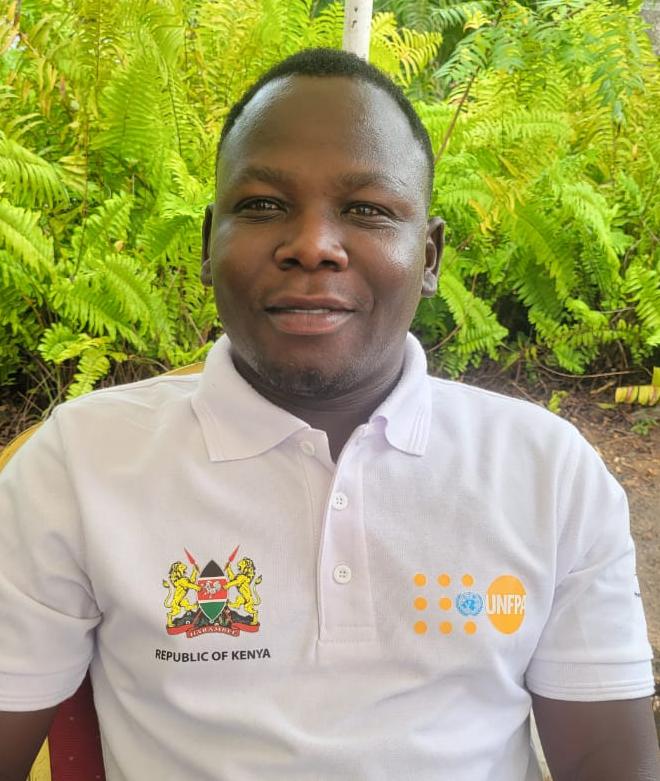
Tamanji Logodi Tamanji

KA Initiative for Community Empowerment | Kakuma Refugee Camp, Kenya; originally from Sudan

Community focus: Empowering refugee communities through entrepreneurship, youth leadership, research, and community-led development.

Tamanji Logodi Tamanji turned a personal experience of displacement into a career of community leadership. After fleeing conflict in Sudan, he built a life in Kakuma that now includes work as a business mentor, educator, researcher, and practitioner with the KA Initiative for Community Empowerment.

Tamanji has helped transform underused community facilities into income-generating spaces, launched adult English classes, and created the State of Youth Kakuma initiative to address teenage pregnancy through youth-led reproductive health education. He has also published research on refugee women’s access to microfinance and the gendered impacts of climate change, while mentoring others in research and proposal development. His work is a practical demonstration of how local resources, aspiration, and youth leadership can become the foundation for opportunity.

"We don't need to rely only on outside resources. There are many resources already within our communities."
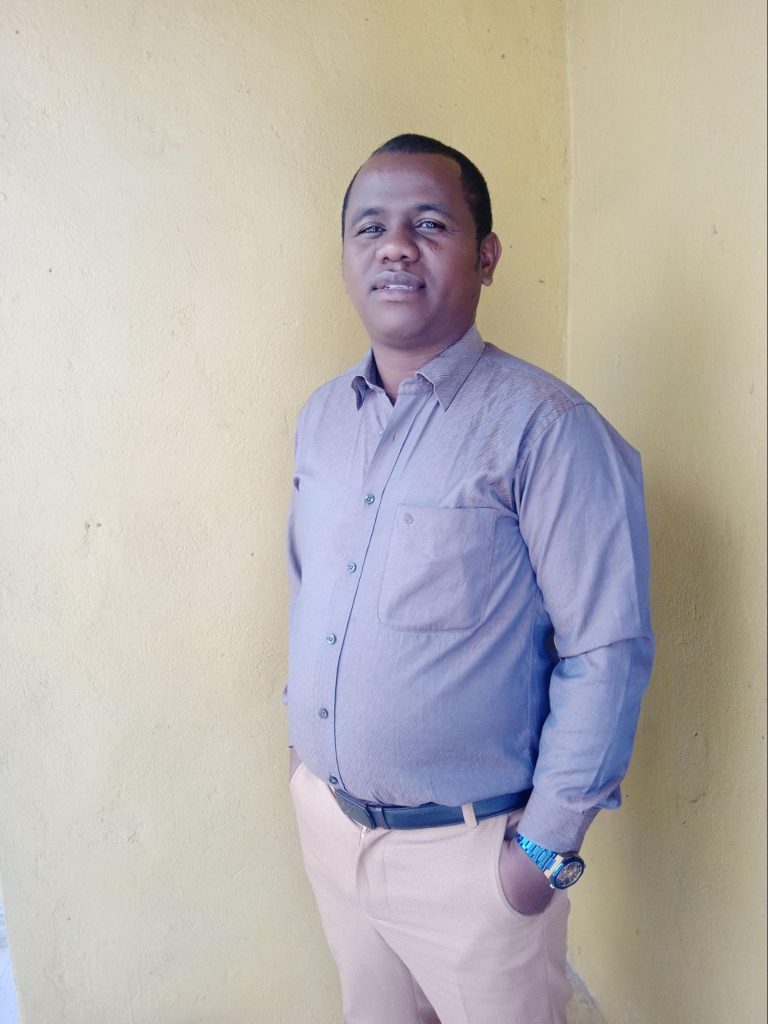
Tahirisolo Hermann Voinahitriniaina is an engineer who has expanded his definition of infrastructure. Working in Madagascar’s mining sector, he saw how resource-rich communities can remain excluded from the benefits of the resources around them. His graduate work helped him connect technical expertise with participation, equity, and long-term community ownership.

The Solar Mama Initiative captures this approach. It combines solar energy training with women’s leadership, technical skills, entrepreneurship, and income generation, enabling women to maintain and expand renewable energy systems within their communities. Tahirisolo’s broader vision links water systems, energy, natural resources, and local economic development. His work insists that engineering is most powerful when it serves community priorities and helps people manage and benefit from local resources for generations.

Tahirisolo Hermann Voinahitriniaina

Mining and industrial engineering | Madagascar

Community focus: Integrating renewable energy, natural resource management, and participatory leadership to strengthen rural communities.

"I have come to value solutions that are context-driven, participatory, built within the community, and designed for long-term sustainability."
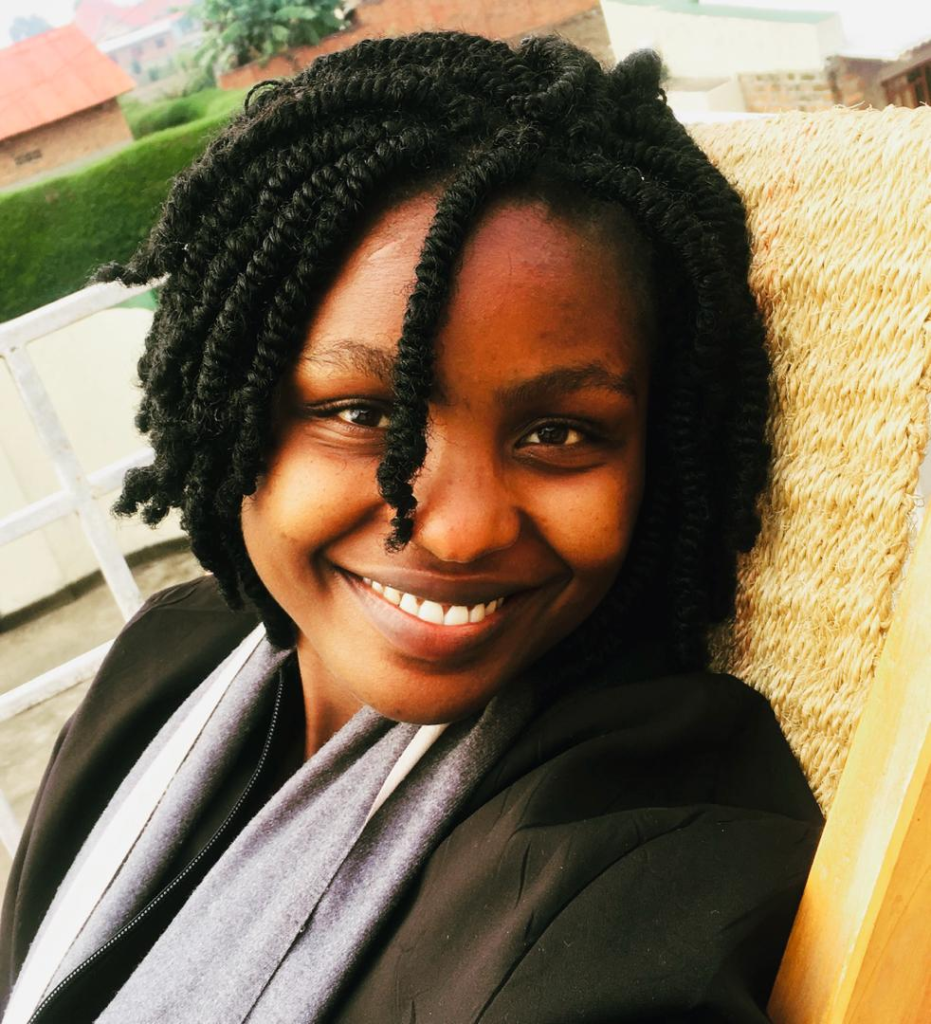
Habiba Uwase

SMV and community development work | Across Rwanda and Uganda

Community focus: Advancing gender equity, youth empowerment, participatory research, and evidence-based community development.

Habiba Uwase brings together research, gender equity, youth empowerment, and practical community planning. In her administrative and outreach role with SMV, she coordinates community events, workshops, and capacity-building activities. Her earlier work with Plan International included research with South Sudanese refugees in Uganda, deepening her commitment to equity and evidence-informed action.

Her graduate work helped turn those commitments into practical tools. Habiba developed a participatory research proposal on barriers faced by young women seeking safe reproductive health services, integrated monitoring and evaluation into her daily practice, and created community work plans built on local strengths and SMART objectives. She also introduced companion planting with onions as a regenerative agriculture practice in her neighborhood, reducing reliance on industrial pesticides over several growing seasons. Her work links careful research to community-led action.

"I see a world where communities - especially youth and women - lead their own development, informed by data and empowered through their collective voice."
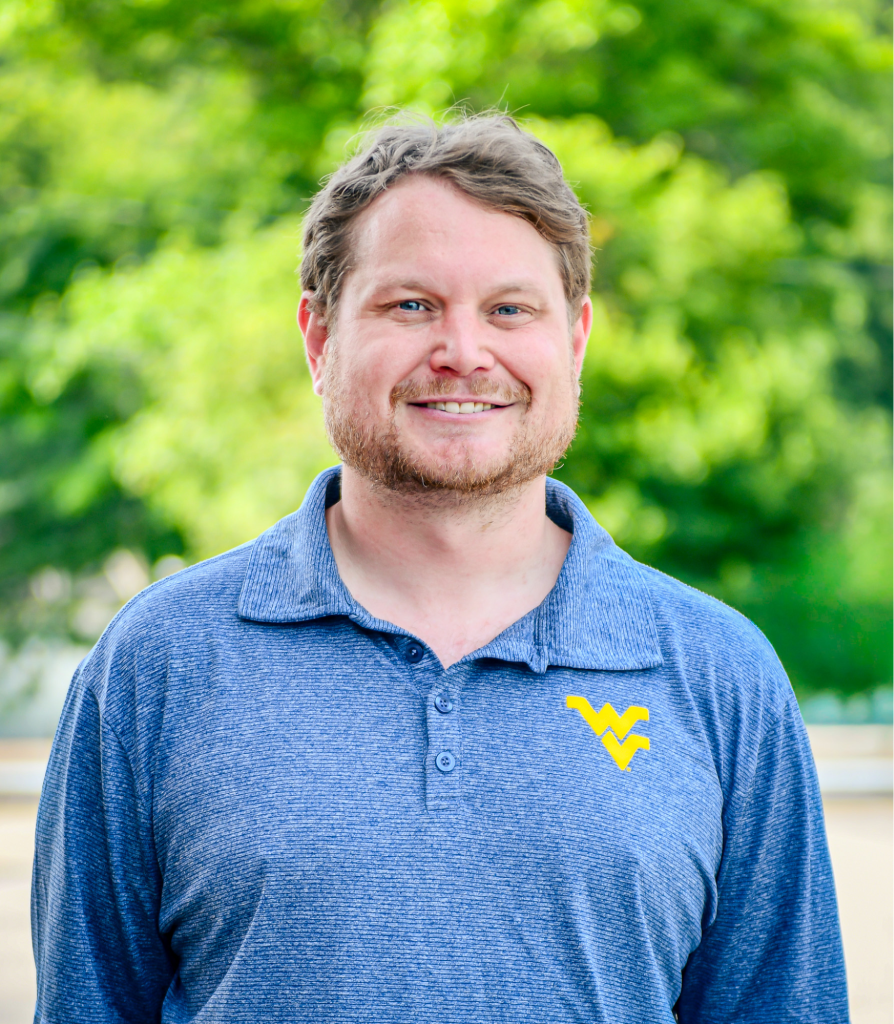
Casey Withers works across the continuum from youth education to rural economic development. With programming in  Appalachia, he has helped build Maple in the Classroom and Sprout School, initiatives that connect students and educators with local forests, agriculture, food systems, and hands-on STEM learning.

His work also includes Reconnecting Heroes, which supports veterans exploring agriculture and agroforestry as pathways to mental health and economic opportunity, as well as value-added processing guides for jams, pickles, and tree syrups. One of Casey’s funding proposals, first developed as coursework, ultimately secured support for Sprout School. His experience demonstrates how education can become action when learning is paired with partnerships, practical tools, and the patience to build capacity over time.

Casey Withers

Appalachian Community Development Practitioner | Appalachia, United States

Community focus: Strengthening youth education, food systems, veteran support, and rural agricultural enterprise.

"Empowerment happens on an individual level. Personal development becomes professional development, and when that happens across a community, it becomes community development."

Building the Future, Together

The Class of 2026 did not learn one single way to create change. They learned how to see communities more clearly: as places of knowledge, relationships, history, creativity, and possibility. Their learning showed that health is connected to dignity, education to food and family wellbeing, agriculture to climate resilience, peace to access to land and water, and environmental stewardship to local livelihoods.

They also learned to move from delivering solutions toward facilitating the conditions in which people can lead. They learned to use research as a relationship rather than an extraction, communication as a bridge rather than a broadcast, technology as a shared resource rather than a replacement for local knowledge, and leadership as a practice of listening, partnership, and accountability. Across very different settings, their work reveals the same progression: recognize what is already present, build trust around it, strengthen local capacity, and keep learning from what happens next.

That is the collective lesson of this class. Applied education matters because it changes what practitioners are able to notice, and therefore what they are able to do. The graduates of 2026 carry their learning into their community classrooms, clinics, farms, refugee settlements, organizations, forests, and public institutions. Their work is already changing communities one partnership, one shared resource, and one generation at a time.

Congratulations to the Future Generations University Class of 2026. Your journey is only just beginning.

(Visited 3 times, 3 visits today)
Close