
Members of the university’s research faculty and alumni have contributed to international conversations in recent months – from sustainability and renewable energy in Afghanistan, to the preservation of Indigenous music in Guyana, to maternal and child health in rural Peru. In the coming year, the University will have an opportunity to celebrate this legacy through a new exhibit of artwork connected to Dr. Robert L. Fleming’s landmark A Field Guide to the Birds of Nepal. These projects span very different disciplines, communities, and parts of the world, yet they share a common commitment: learning from what communities already know and do, and using research to strengthen their capacity to shape their own futures. This approach reflects the SEED-SCALE framework: learning from success, building on what works, and continuously adapting through action and reflection. From Dr. Fleming’s decades of documenting the natural world to today’s faculty research, FGU scholarship demonstrates that research can create knowledge while also strengthening the people, communities, and systems connected to it.
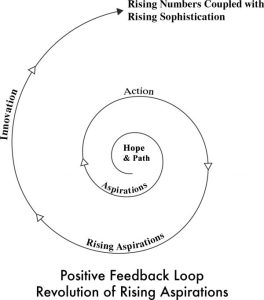
Action research brings forward knowledge in communities that feed back into the University’s academic learning, where students examine the experience, test ideas, and consider how they might be adapted to other contexts. In turn, students carry that learning into their own communities and practice, creating another opportunity for observation, learning, and adaptation. Research, teaching, and action thus become part of an ongoing cycle – learning from success, expanding what works, and developing solutions that communities can sustain and lead.
Understanding energy transitions in fragile settings
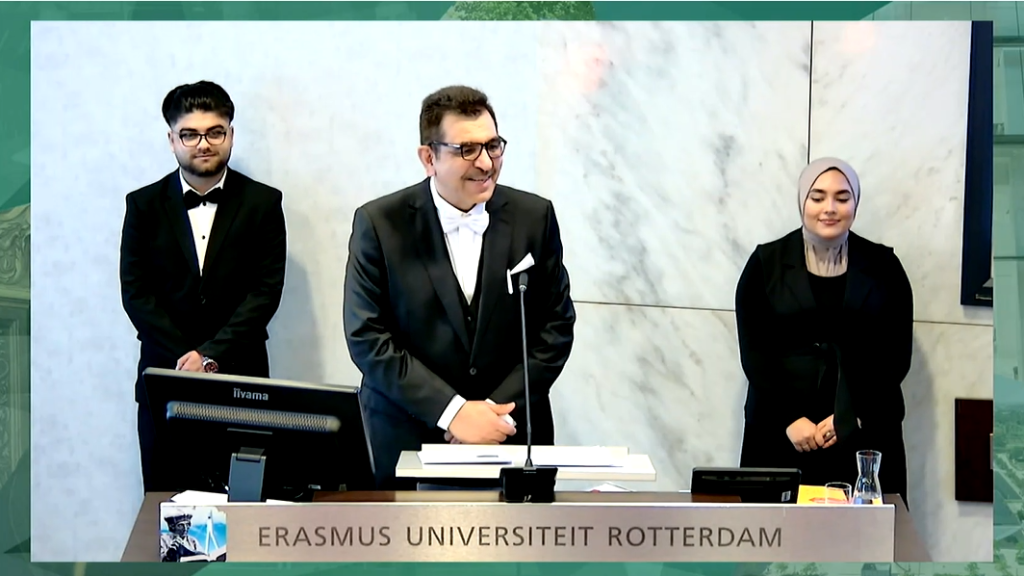
In August, Dr. Ajmal Shirzai represented Future Generations University at the Symposium on Sustainability Research and Teaching in a Time of Polycrisis at Södertörn University in Sweden. The international symposium brought together researchers, educators, policymakers, and practitioners from 18 countries to consider how sustainability research and teaching must respond to interconnected global challenges.
Dr. Shirzai presented Solar Energy Diffusion under Polycrisis: A Transition Framework for Afghanistan, examining how solar energy can expand in fragile and conflict-affected settings.
The research considers three interconnected capacities.
- Institutional capacity creates the enabling environment through policy, governance, coordination, and finance.
- Implementation capacity translates those conditions into functioning programs and solar-energy systems at the regional level.
- Community resilience supports adoption, maintenance, and sustained use at the local level.
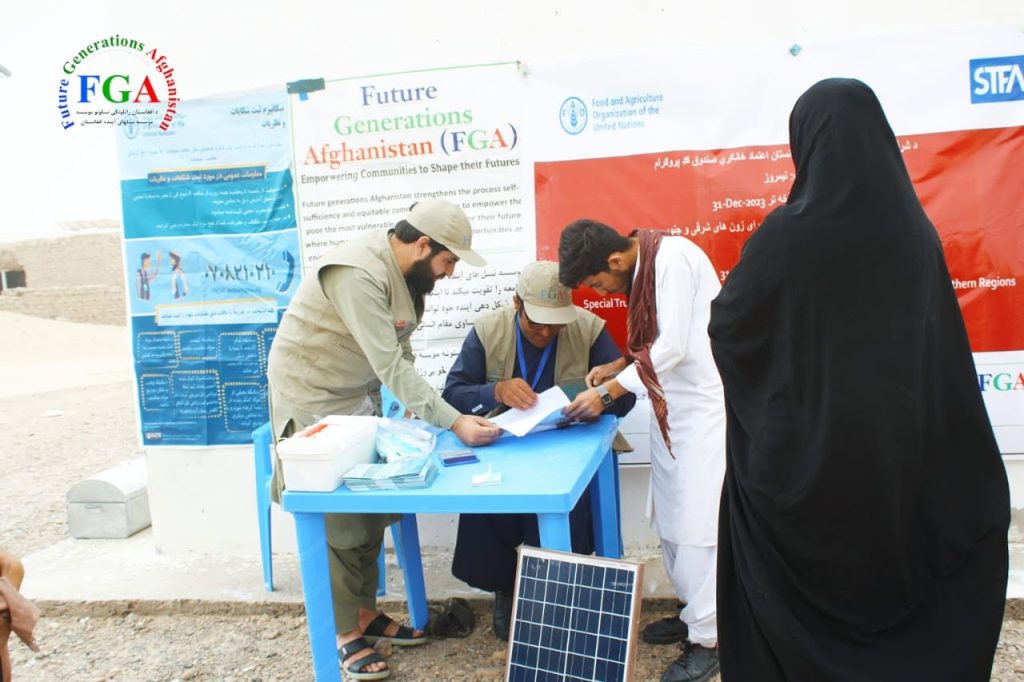
Drawing conceptual inspiration from SEED-SCALE, the research offers a way to think about technology transitions not as questions of infrastructure or technology, but as processes that depend on relationships among institutions, implementation systems, and communities.
The paper has been selected for publication as a chapter in the forthcoming Springer volume Sustainability Research and Teaching in a Time of Polycrisis. It also provides an opportunity for students to see how SEED-SCALE principles can inform academic research and analysis of complex global challenges.
The project asks a larger question about what responsible research looks like when working with Indigenous cultural heritage. The research emphasizes community collaboration, Indigenous data sovereignty, and the principle that computational tools should serve communities rather than extract knowledge from them. The paper describes community-controlled archives, community review of findings, and capacity building so that communities can develop and manage their own digital preservation systems.
Preserving cultural knowledge through new tools
FGU research is also reflecting what happens when emerging technologies are placed in service of longstanding cultural knowledge.
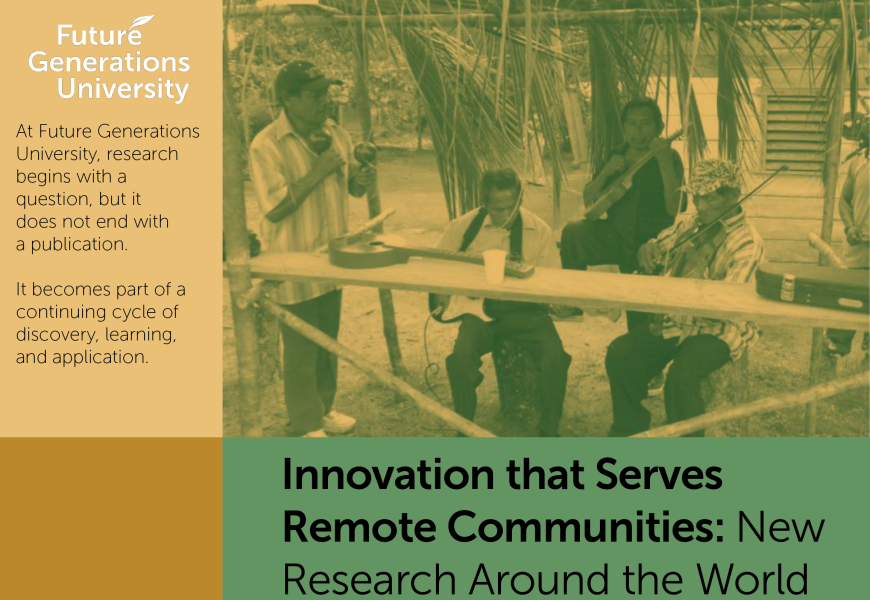
In his paper Encoding the Ritual: The Baboon Dance as a Site of Convergence for Data Science, Digital Humanities, Computational Ethnomusicology and Cultural Preservation, Rohan R. Sagar examines the Baboon Dance, a Mari Mari Kabakaburi ritual tradition of Guyana.
The project brings together data science, digital humanities, geographic information systems, machine learning, and ethnomusicology to document and analyze Indigenous musical traditions. Researchers analyzed 74 audio recordings across four Indigenous genres, extracting acoustic and melodic features and applying machine-learning methods to identify patterns in the music. The analysis achieved 86% overall classification accuracy, while a case study of the Baboon Dance showed a dramatic improvement in in-genre clustering after feature normalization—from 20% to 100%.
But the most important part of the research may not be the algorithmic results.
The project asks a larger question about what responsible research looks like when working with Indigenous cultural heritage. The research emphasizes community collaboration, Indigenous data sovereignty, and the principle that computational tools should serve communities rather than extract knowledge from them. The paper describes community-controlled archives, community review of findings, and capacity building so that communities can develop and manage their own digital preservation systems.
This is a particularly clear example of how SEED-SCALE can extend beyond its traditional applications. Here, success, expansion, empowerment, development, and collaborative learning become principles for building research capacity and supporting communities in preserving and interpreting their own cultural heritage.
When memory becomes a pathway to better health
In Peru, Dr. Laura Altobelli has been asking a very different question: “What happens when health education begins not with a message, but with a person’s own experience?”
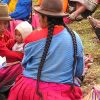
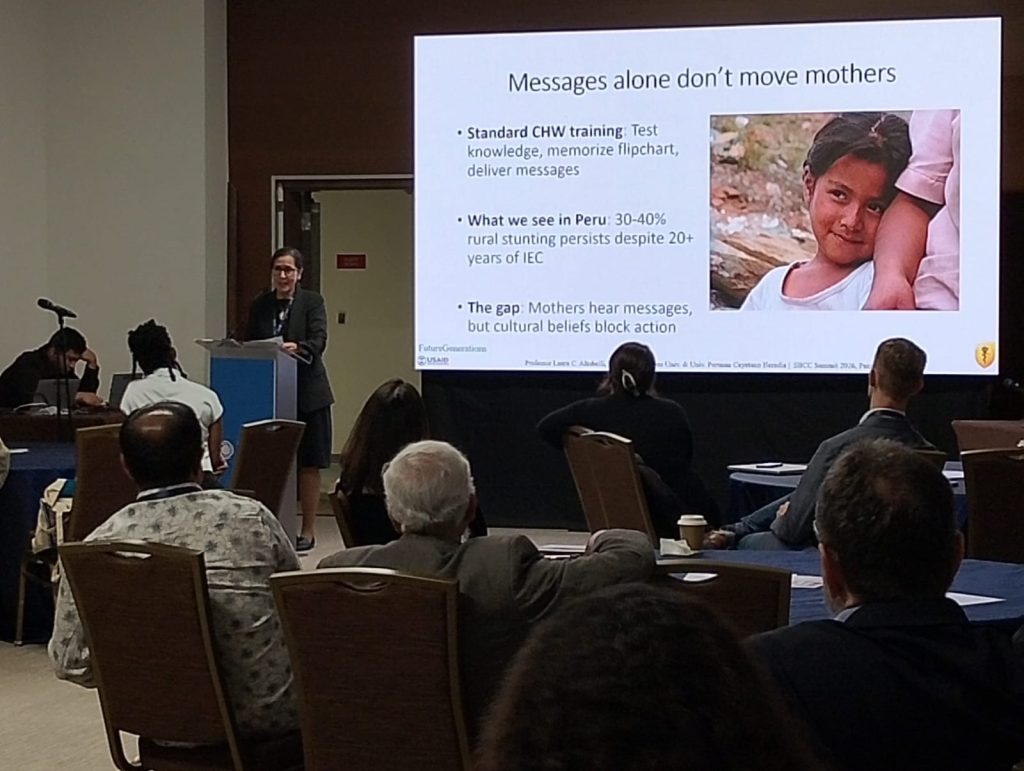
Dr. Laura Altobelli recently presented research on Sharing Histories, a community health approach that trains Community Health Workers (CHWs) to begin conversations about maternal and child health in largely rural areas that have low access to public health by sharing their own stories and inviting mothers to share theirs.
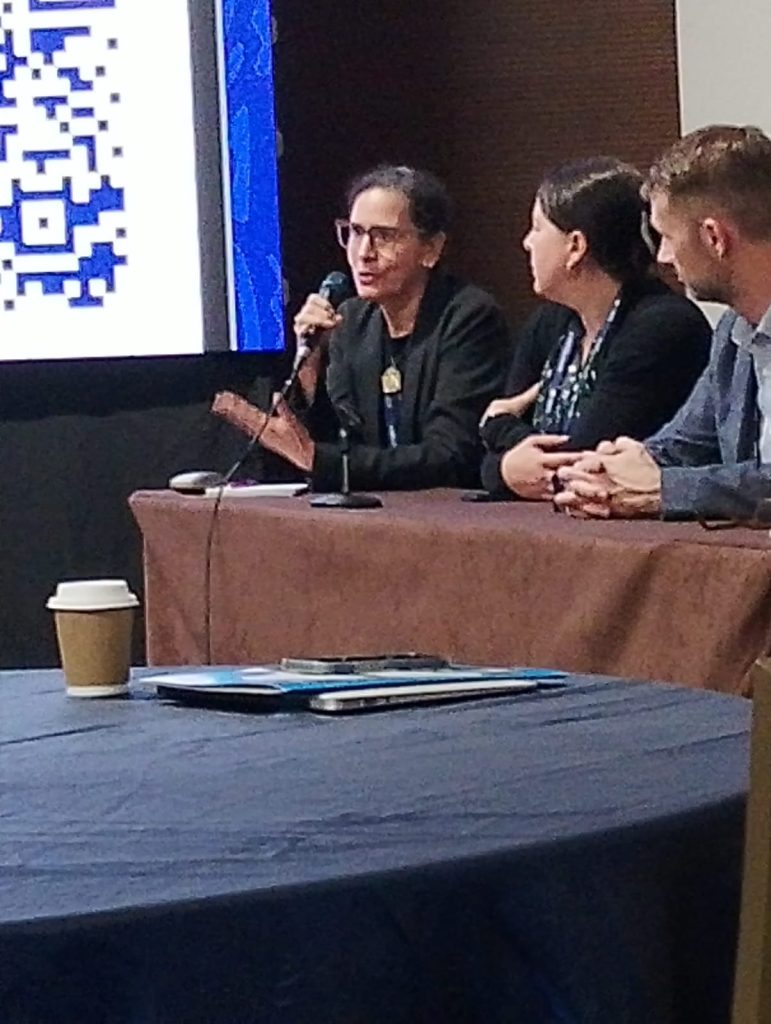
The approach was tested through a 36-month cluster-randomized controlled trial involving 22 clusters, approximately 89,000 inhabitants, and 500 trained Community Health Workers. Baseline, midline, and final surveys included 600 mother-child pairs at each time point, alongside qualitative research exploring how and why the intervention worked.
The results were striking. After 36 months, stunting – defined as impaired physical growth and development in children – declined from 38% to 29%: a 25% reduction compared with the control group. Among literate mothers, the reduction was even greater. The study also found improvements in exclusive breastfeeding and several household health practices, such as more frequent feeding and hand-washing habits.
Again, the numbers tell only part of the story.
The research suggests that Sharing Histories changes the relationship between health workers and the people they serve. CHWs began using their own experiences to open conversations, while mothers reported feeling listened to. Community Health Workers became a trusted partner in learning.
The approach also resonated with the cultural context of the Andes, where Yachay describes knowledge grounded in lived experience and reflection. As Dr. Altobelli explains, the method did not impose an unfamiliar way of learning; it aligned with an existing cultural understanding of how knowledge is developed.
Looking Ahead: Preserving a Legacy of Research and Discovery
The work of research at Future Generations University stretches across generations. In the coming year, the University will have an opportunity to celebrate the remarkable body of natural history research and documentation conducted by Endowed Professor of Equity & Empowerment: Natural History, Dr. Robert L. Fleming, Ph.D. His photographs, field observations, illustrations, and publications have helped generations of people see and better understand the extraordinary biodiversity of the Himalayas and other bioregions.
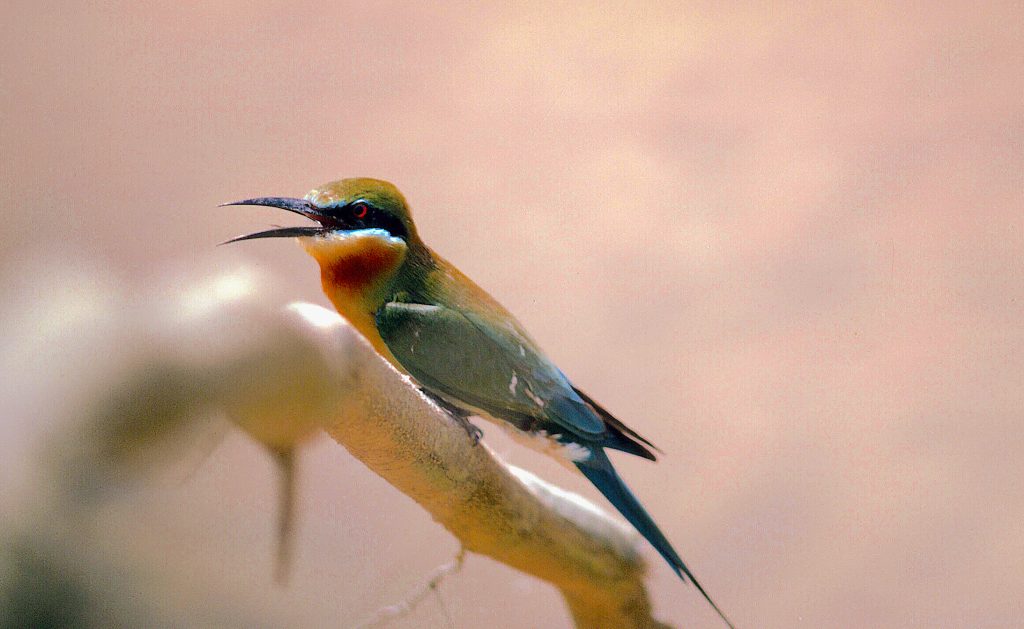
Among his most enduring contributions is A Field Guide to the Birds of Nepal, developed with his father and brought to life through a collaborative effort with Nepalese artists Hira Lal Dangol and Hem Poudyal. The project combined research, writing, and art to produce some 900 illustrations, with the hope that greater appreciation of Nepal’s birds would inspire greater interest in their conservation. Today, Dr. Fleming continues to preserve this legacy by working through decades of photographs and selecting images for archival and educational use, housed in FGU’s digital archive.
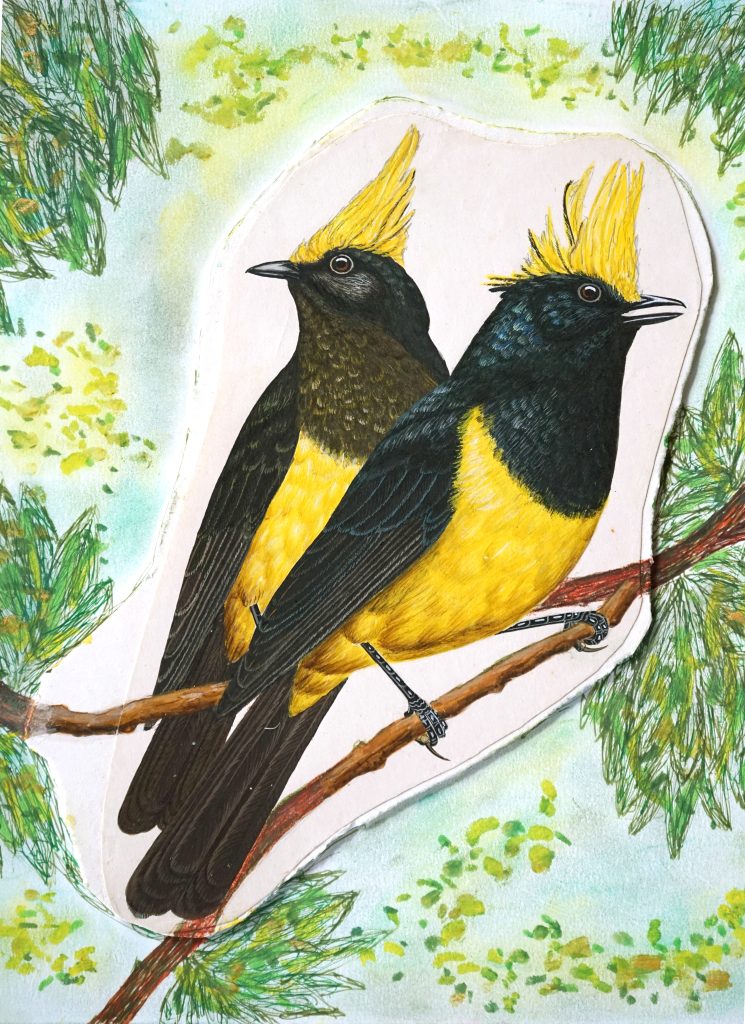
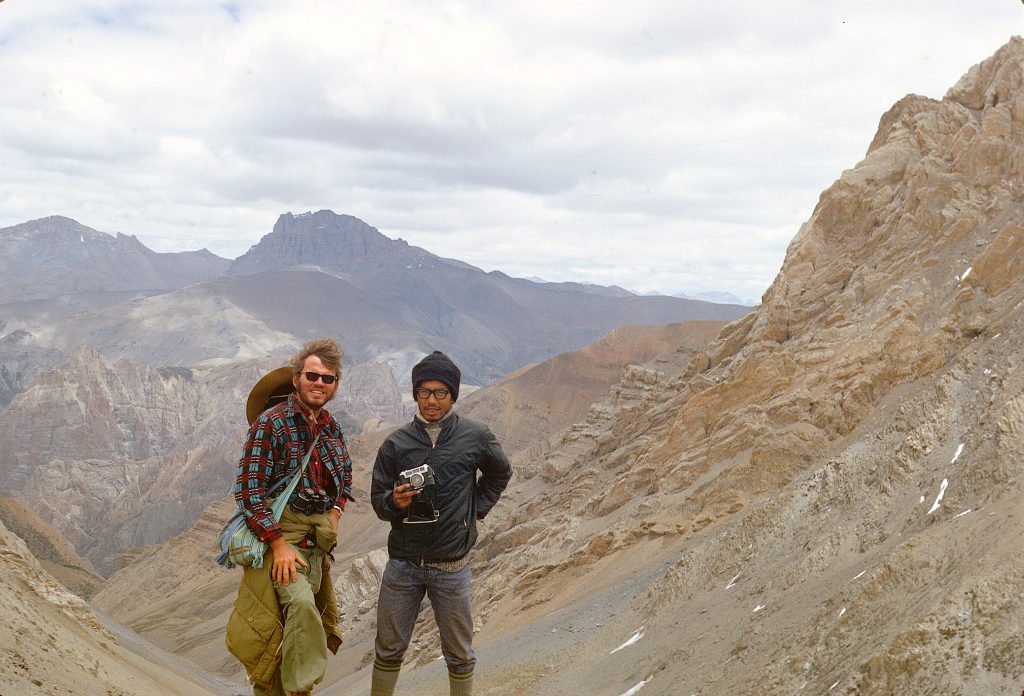
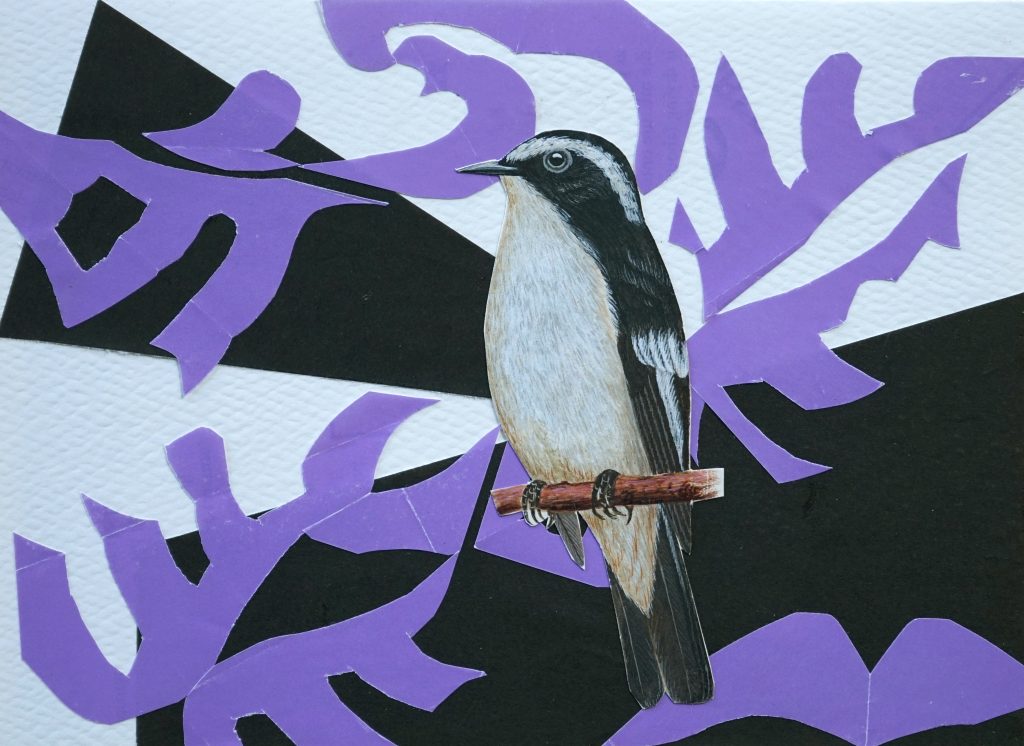
In early 2027, Future Generations University will help carry that legacy forward through a partnership with the Museum of Nepali Art (MoNA) to preserve and exhibit artwork connected to the Birds of Nepal project. The effort will also honor the Dangol family and create opportunities for a new generation of artists to continue this work. As Dr. Fleming has reflected, “We are all part of a remarkable biosphere.” His decades of research remind us that knowledge becomes most meaningful when it is preserved, shared, and used to inspire the next generation to understand – and care for – the world we share.
Research that travels both ways
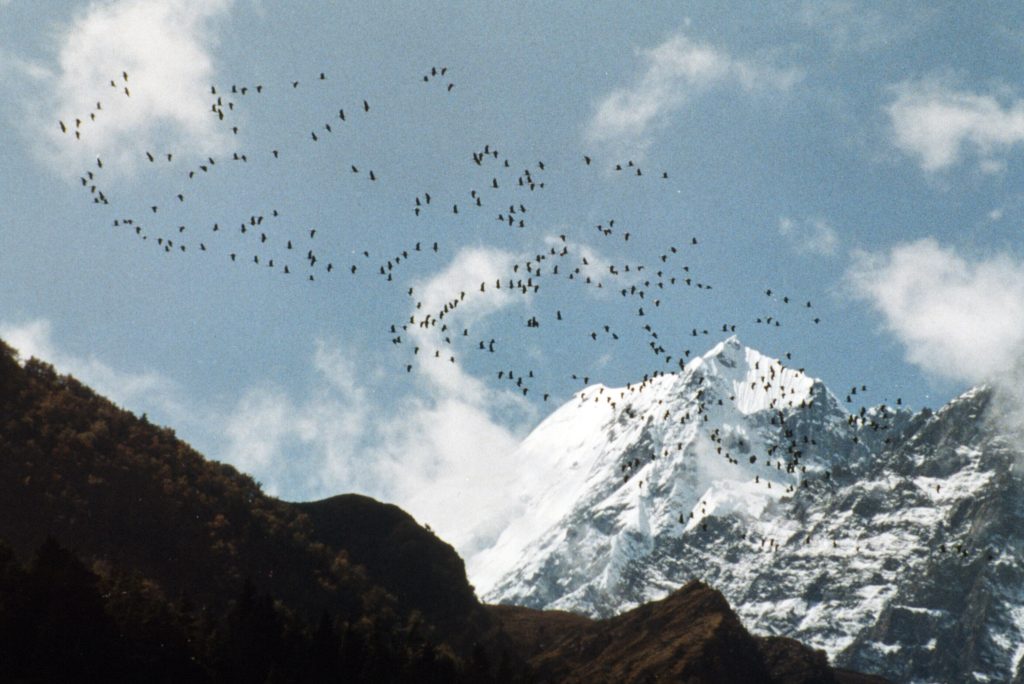
These projects could hardly be more different in subject matter: renewable energy in Afghanistan, Indigenous musical heritage in Guyana, child nutrition in Peru, and the impact of bird research on environment and cultural legacy in Nepal.
Yet together they illustrate something fundamental about research at Future Generations University. Action research moves from communities into scholarship, and from scholarship back into communities, classrooms, museums, and new generations of learners.
Research can examine the conditions that make renewable energy possible in places affected by conflict. It can use machine learning to uncover patterns in music while protecting the authority of the people whose culture is being documented. It can rigorously test whether a simple shift – from messages to memories – can improve health outcomes. And it can preserve a visual record of the natural world that can inspire the next generation of conservationists.
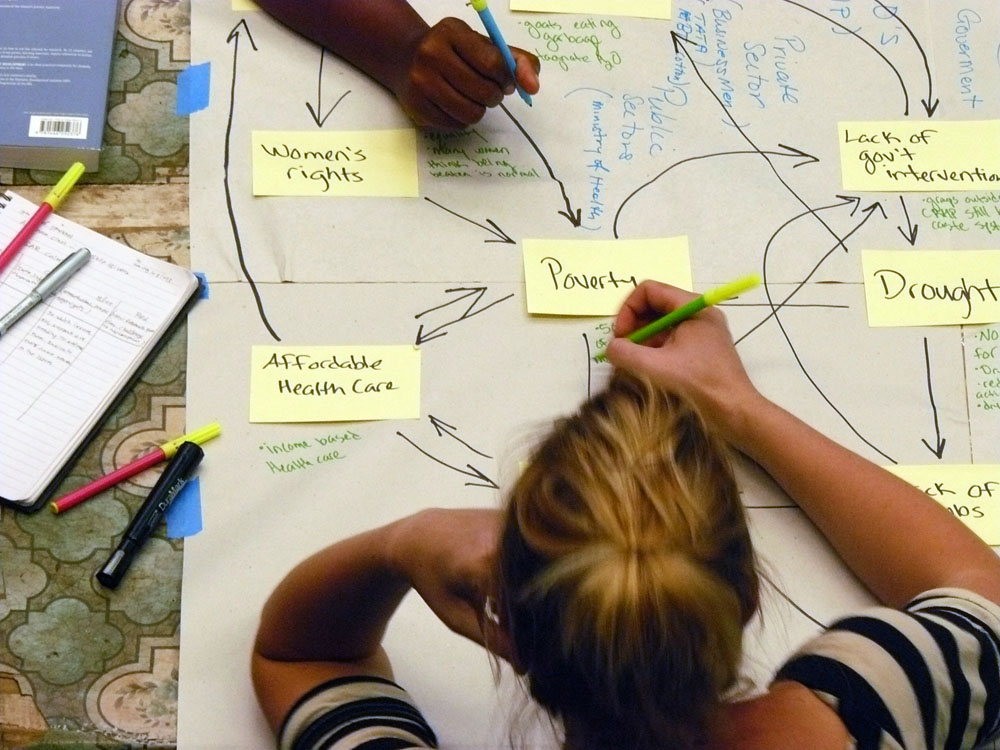
And in each case, research is connected to people, place, and practice. Research becomes legacy when knowledge is not only documented, but preserved, shared, and used to inspire new questions and new action.
That connection is central to Future Generations University’s approach to learning. Our faculty do not study communities simply as subjects of inquiry. They work to understand local knowledge, identify what is already working, and develop approaches that can strengthen community capacity and support sustainable change. From Afghanistan to Guyana to Peru, and from today’s research back through decades of work, our scholarship reflects the breadth of a university grounded in the practice of community development.
At the heart of that work is a practical question: How can research help communities become stronger, more resilient, and better equipped to shape their own futures? The answer is different in every place. But the work continues to begin in the same place: with communities, their knowledge, and the possibilities rooted within them—and it continues by carrying that knowledge forward.
Learn more at https://www.future.edu/publications/.