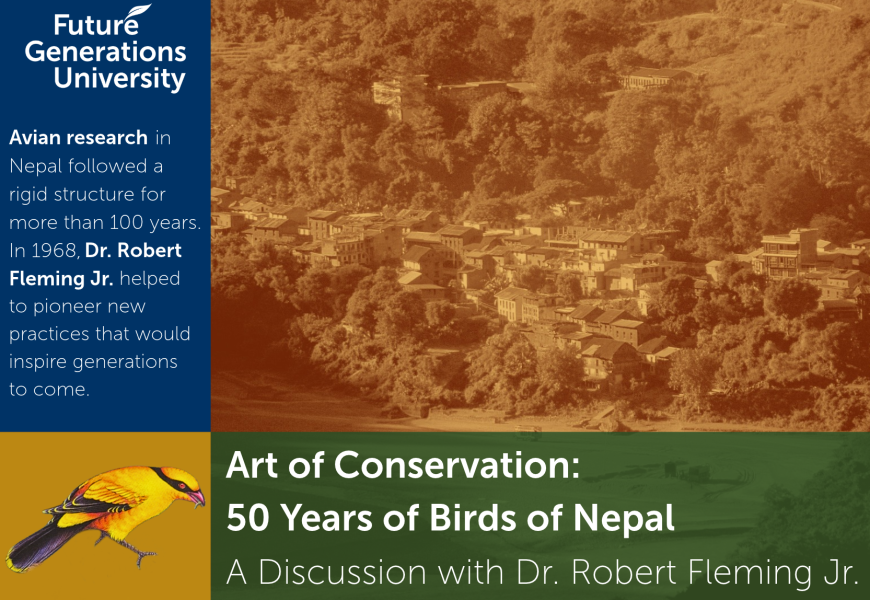
A Life Shaped By the Himalayas
At the foothills of the Garhwal Himalayan Range sits the hill station of Mussoorie, India. To the northeast, in the distance, are the snowcapped heights representing the higher elevations of the Himalayan mountains. The capital city of Kathmandu lies in southeast. Between them, an elevation gap of nearly 7,500 meters (more than 24,500 ft.); a temperature difference of 30°-40°C (86°-104° F); a wealth of biospheres for avian species to inhabit. The Mussoorie hill station is the birthplace of Dr. Robert Fleming, Jr. The work he captured in Nepal is a fitting representation of his lasting legacy.
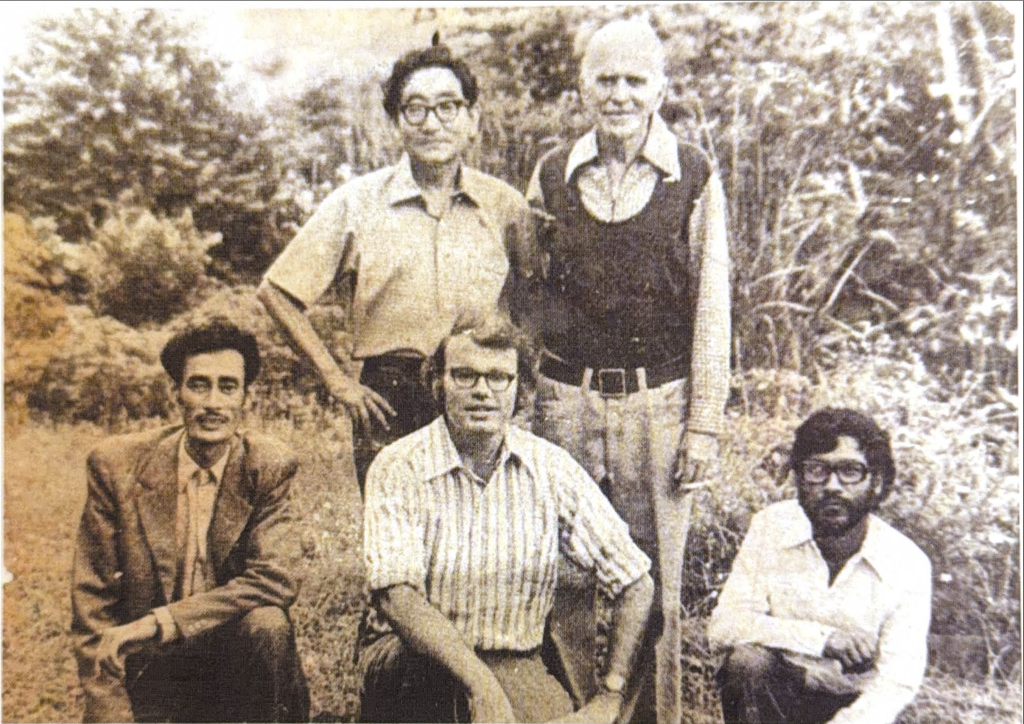
Dr. Fleming’s family history is closely tied to Nepal and to Future Generations University. In 1949, Robert Fleming Sr. and Dr. Carl Taylor, member of the original UNICEF task force exploring sustainable and scalable community change that ultimately led to the founding of FGU, embarked up the Kali Gandaki Valley to explore the natural world. Their findings would inspire more than a century of scientific research and conservation efforts, and their sons would work side-by-side as endowed professors of equity & empowerment at Future Generations University. Fleming Jr.’s particular connection to Nepal would flourish three years after his father’s expedition in 1949.
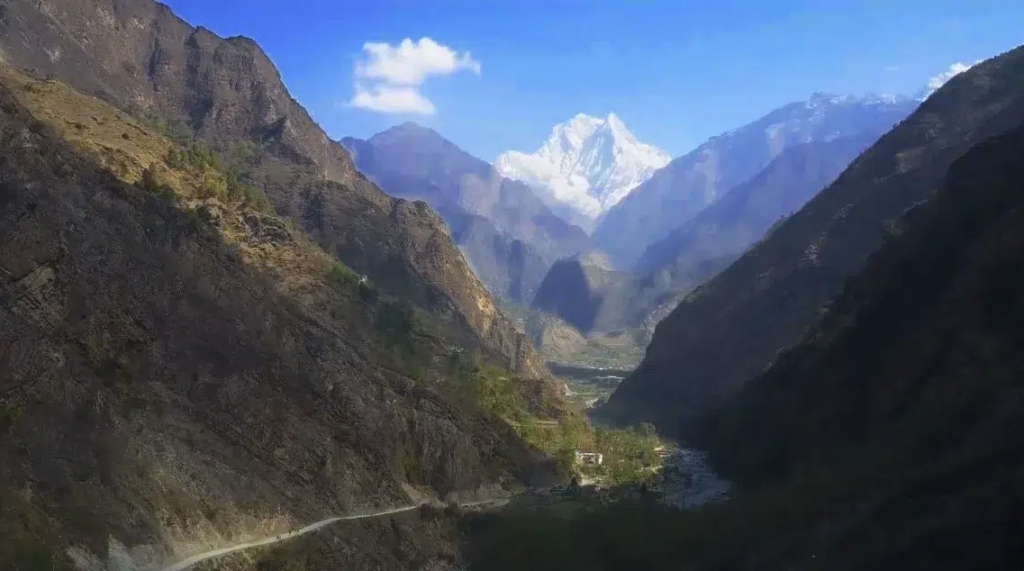
Fleming Jr. earned his Ph.D. from Michigan State University before working for the Smithsonian Institute, Office of Ecology, surveying universities in India for a collaborative research program site. By 1974, Fleming founded Nature Himalayas, an organization that would go on to inspire natural history exploration of the 3,500-kilometer-long Himalayan Mountain System and other bioregions around the world.
Changing the Narrative: A New Approach to Avian Study
From the mid-1800s and for the next hundred years, much of avian study and research in Nepal followed the established practice – studying birds by hunting, stuffing, examining, and ultimately displaying them in museums. During this time, a partnership between a Nepali artist and British diplomat planted the seed for a different, more humane approach: Artist Rajman Singh Chitrakar partnered with Brian Houghton Hodgson as the first artist to paint the wild birds of Nepal. This partnership was the first of its kind in the region. These initial findings were often insufficient in documentation and greater classification among the many diverse bioregions of the country, but they were foundational to Robert Fleming Jr.’s inspiration to build on art as a sustainable and environmentally conscious form of research.
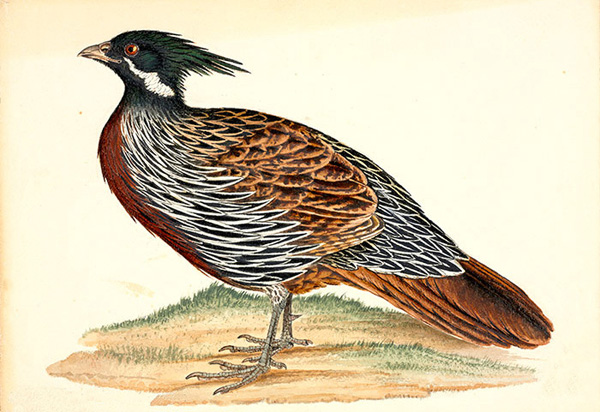
Fleming returned to the area in 1968 in a time where avian information existed but lacked synthesis. He published The General Ecology, Flora, and Fauna of Midland Nepal in 1973. At this point, Fleming had identified a critical gap: he could find cohesive bird books for species found in China, in India; but not in Nepal. What existed were catalogues from earlier naturalists which remained scattered among museum specimens and scientific records around the world. Fleming recognized the need for a comprehensive resource that brought together identification, illustration, seasonal behaviors, distributions, and greater scientific inquiry to the Nepali people. And, he understood the power of art to impact culture and community change. His goal: inspiring a new generation of Nepali people to research these animals without killing them, and to create artistic renditions celebrating the beauty of the landscape. His method: a compendium.
The Birds of Nepal
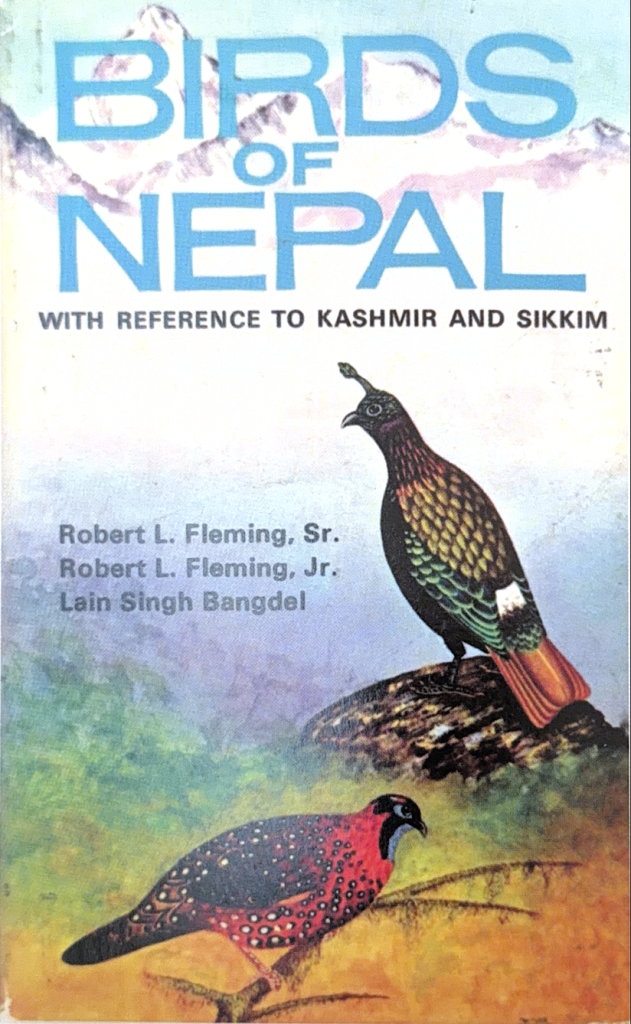
“We all know that Nepal is a very small country,” says Fleming. “But, what precisely is your measurement? If it’s square miles, then we can recognize it as such. With regard to birds, however… all of North America – that’s Canada and the United States – have potentially less avian species than Nepal! In that regard, how can you call Nepal small?”
Some 700+ species of birds and counting inhabit the divides among the northern and southern Nepal landscape and the Kali Gandaki River Valley, which separates the eastern and western regions. These geographic features create a landscape that showcases seasonal visitors, migratory birds, and long-term residents.
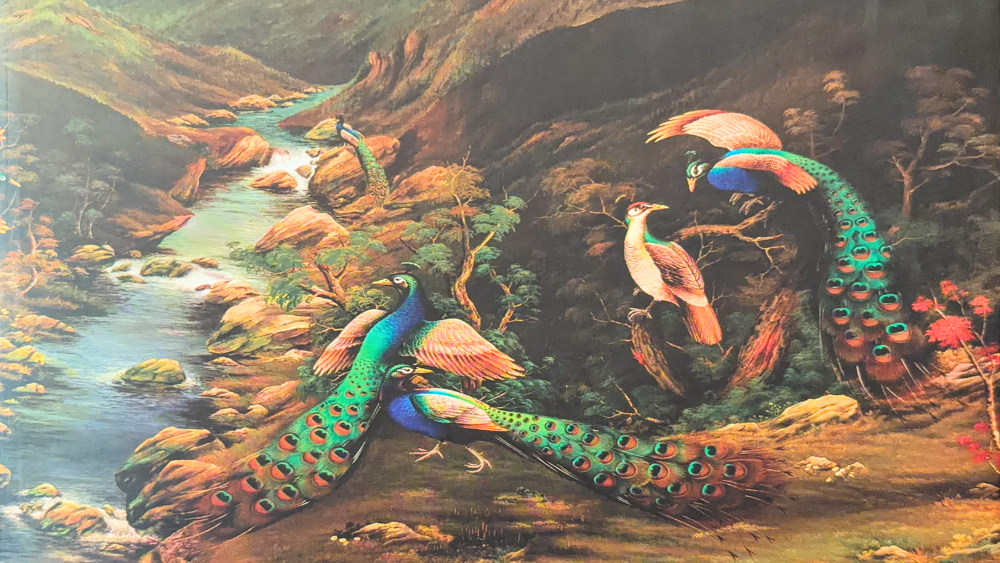
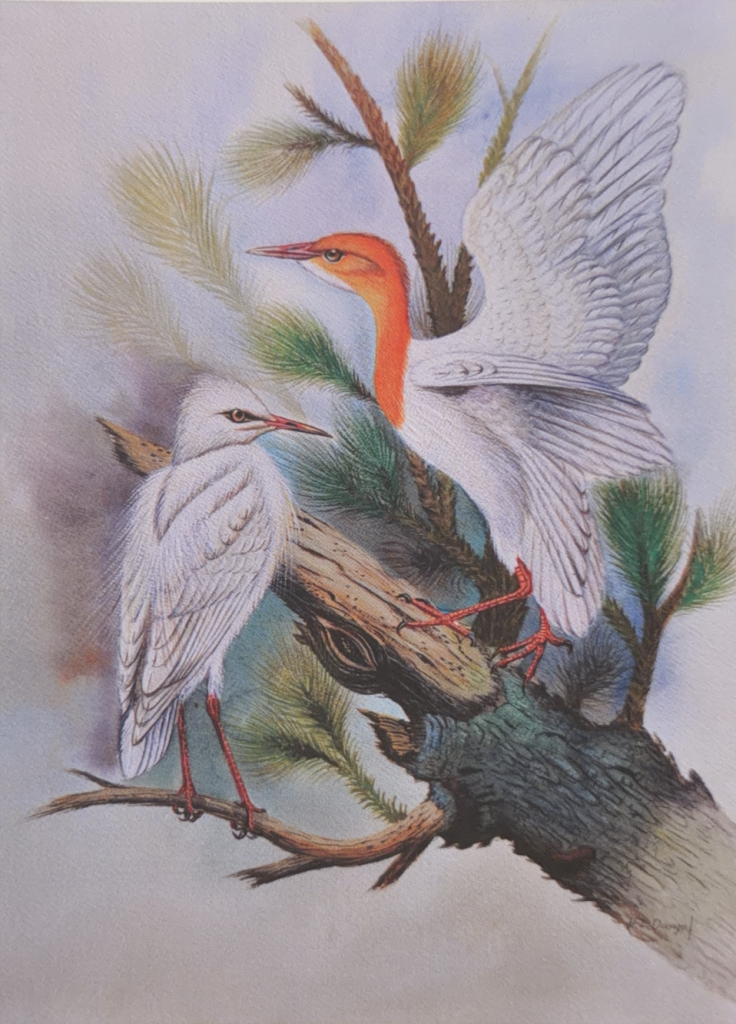
Birds of Nepal was released in 1976, co-authored by Fleming Sr., Fleming Jr., and Nepali artist Lain Singh Bangdel. The publication represented a major milestone in regional natural history as a practical field guide that placed the study of Nepal’s wildlife in the hands of its people.
Imagery and text helped readers connect to the wildlife around them, and the durable cloth pages and binding were chosen as a reflection of Nepal’s climate.
At the time of publication, Birds of Nepal was one of just three books worldwide designed with these image and text pairings. Fleming and his family believed so powerfully in the significance of Birds of Nepal for Nepali culture that they were willing to meet with publishers who had their doubts and supply the book’s support with their own money and energy.
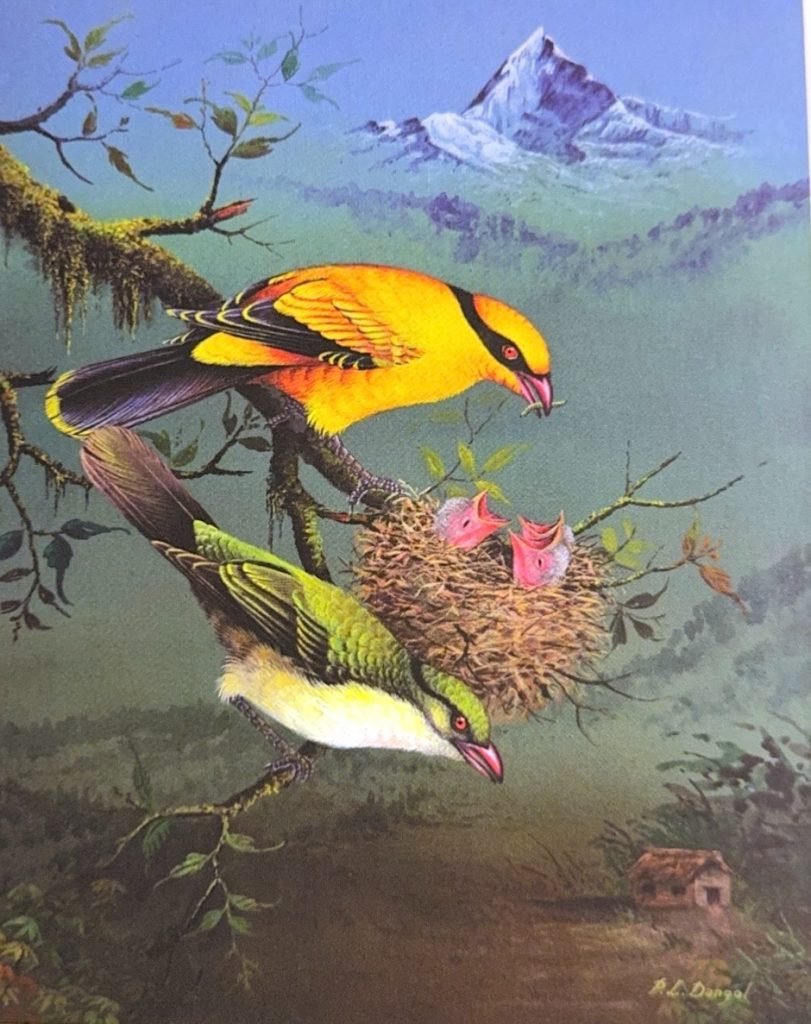
“At the time, there were two other books designed like Birds of Nepal,” reflects Fleming. “One was North American, and the other pertained to Britain, Europe, and North Africa. However, there were other bird books that existed in the world at that time – and even near Nepal. When we approached the publisher with our idea, they said, ‘Nepal? Come on, nobody would ever buy a book about the birds of Nepal. Nobody knows about Nepal, and it isn’t a big country.’ But, our format was really what we felt set us apart, where you’d have the pictures and text opposite one another.”
A Continuing Legacy
The Birds of Nepal compendium launched what would become an extensive list of publications from Fleming regarding natural history and conservation efforts across Asia, Africa, and South America. Fleming’s works have contributed to generations of observations in the field and the resonance between people in their respective regions and the wildlife that surrounds them.
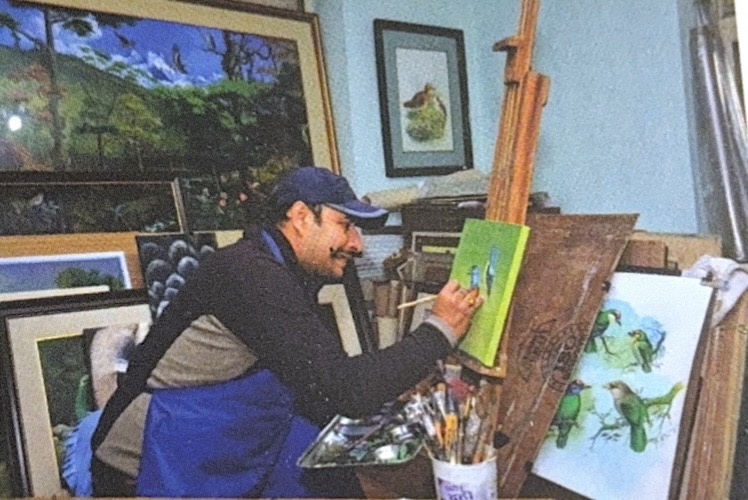
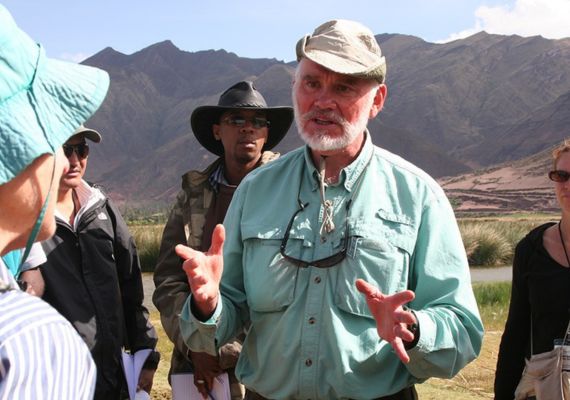
It hasn’t always been easy, though. In recent conversation with FGU’s Endowed Professor Dan’l Taylor, Fleming mentioned, “The book has gone through iteration after iteration. There were three editions I’d written, and I was working on a fourth, but it got to be too tiring and the fourth never made it out before the copyright was taken. But, that isn’t the part that matters – the important thing is that the pioneering work was done and the knowledge was accessible to the Nepali people.”

Follies aside, Fleming reflected on the decades of scientific discoveries before and since the release of Birds of Nepal, and the power of making knowledge accessible. These stories expand on the earliest works of leading Nepali ornithologist, Kazi Dai, who was a dear friend of both Robert and Dan’l, as well as the artistry displayed by Rajman Singh Chitrakar and Hiralal Dangol and the Dangol family. Fleming also noted the challenges of consistent revision and updates to avian study. Above all, Fleming encourages others in Nepal to continue the work they’ve started.
“We’re outsiders,” he says. “We wanted to inspire the Nepalese people to continue the work we’d started and carry it forward. The work that would come after our initial efforts would go on to inspire generations further and further down the line.”

That underpinning – to inspire future generations – is central to the work of Birds of Nepal, and what makes Dr. Fleming a leading expert at Future Generations University. While information regarding bird species already existed in museums, the scientists, enthusiasts, and everyday community members lacked a common resource that synthesized that information for greater understanding and greater conversation.
Fleming’s legacy runs congruent with the infancy of ornithology in Nepal. In the earliest days of his expeditions, artist renditions and careful examination provided the only captured content of these animals. Today, camera traps, acoustic recordings, and non-invasive research methods allow scientists to document and research many types of creatures without entering their homes.
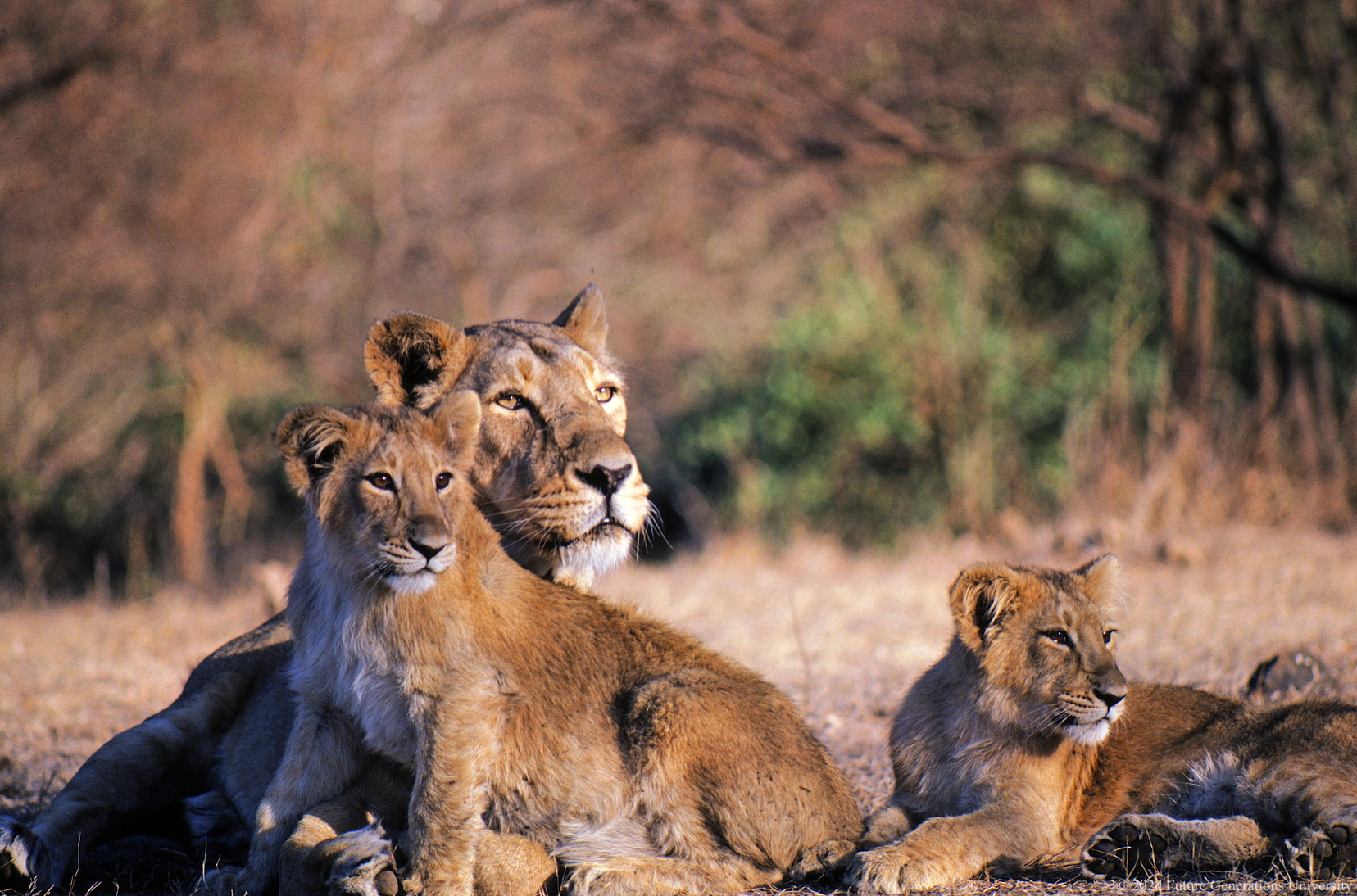

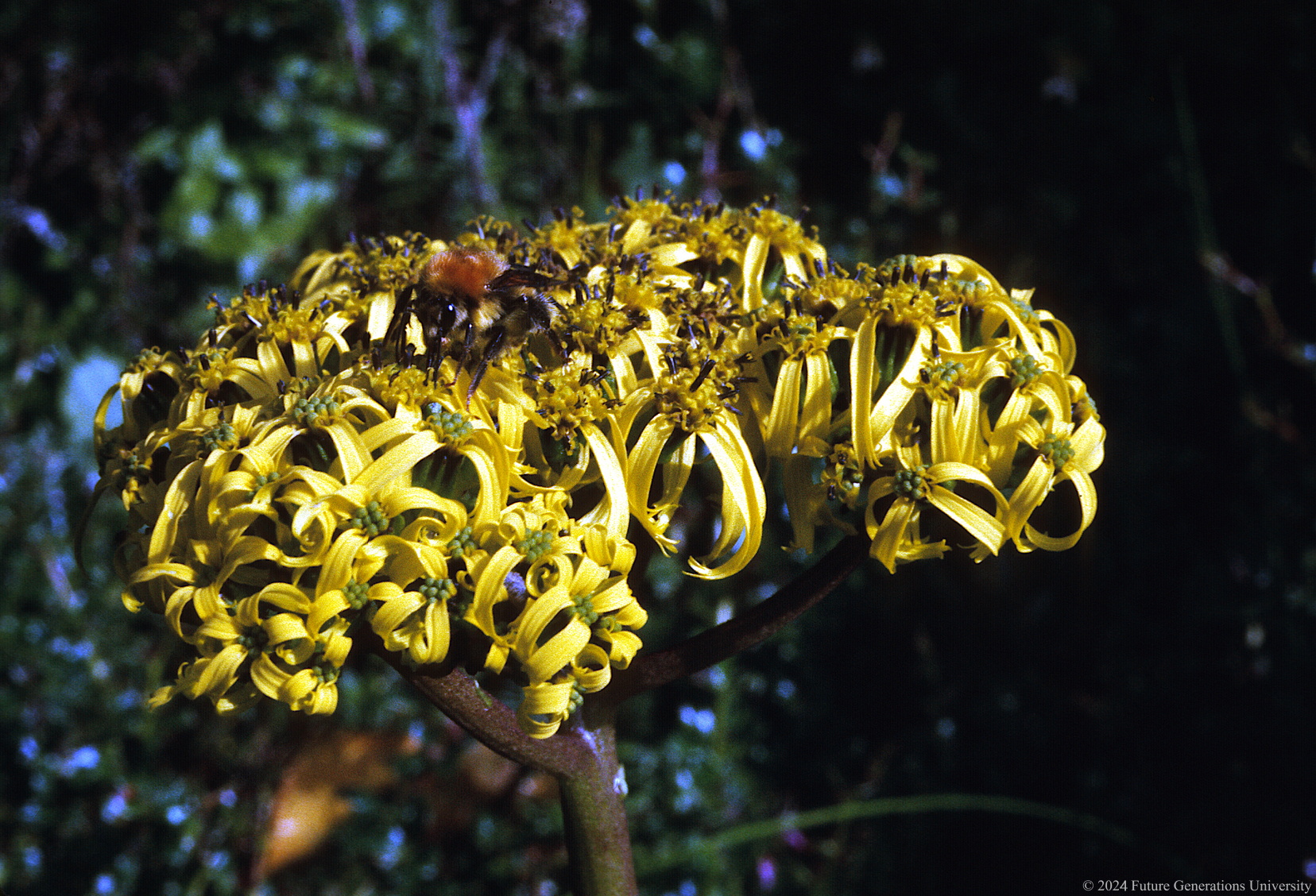
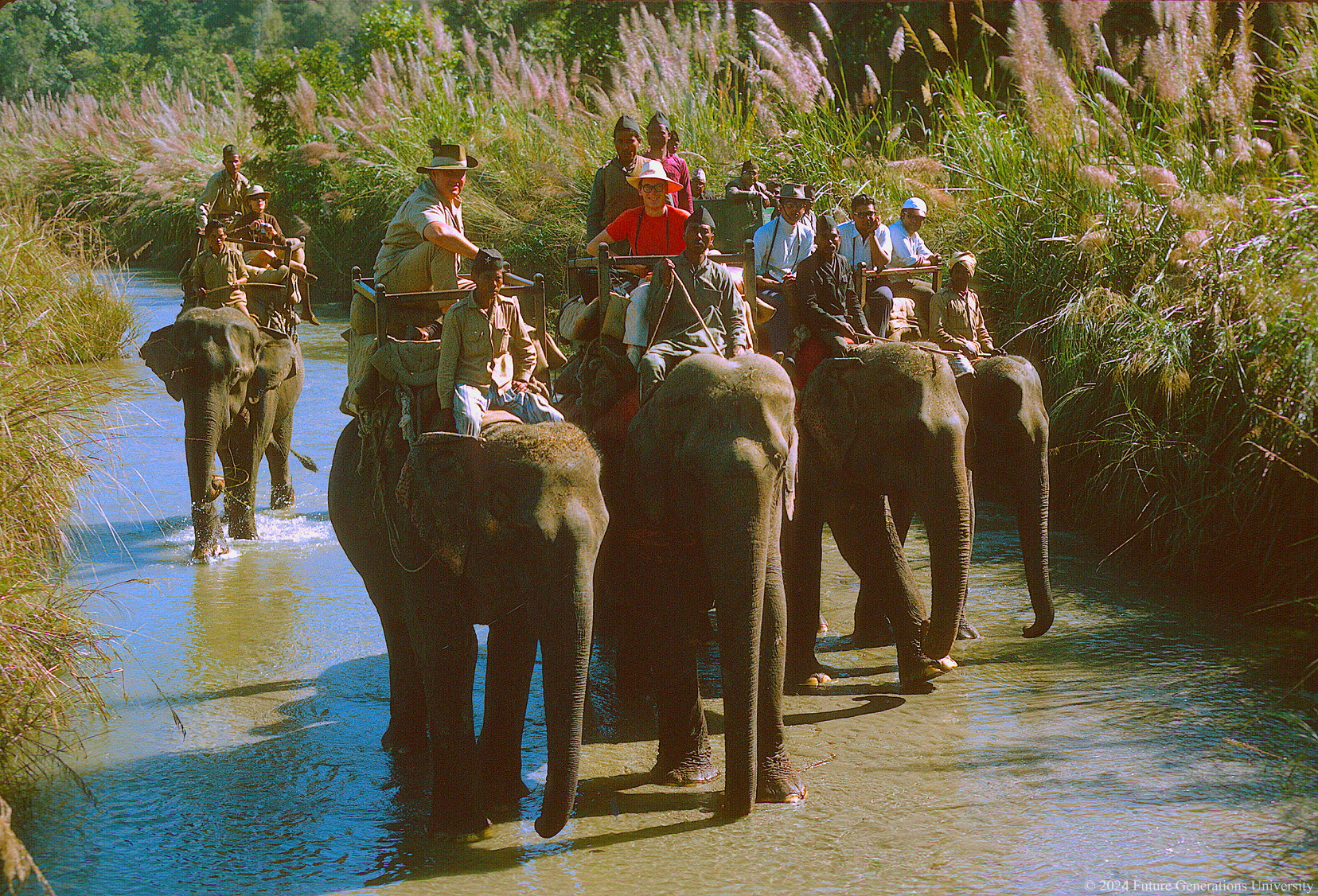
In reflection of his own independent bird research, Robert speaks of the importance of extrapolating the data from Birds of Nepal in the field. No bird matches identical to the photo, but it should be used in reference to one’s own study and adventure. Robert also mentions that what cannot be captured in photo or writing is the beauty in the conversation of the forest:
A dawn chorus among the birds of Nepal.
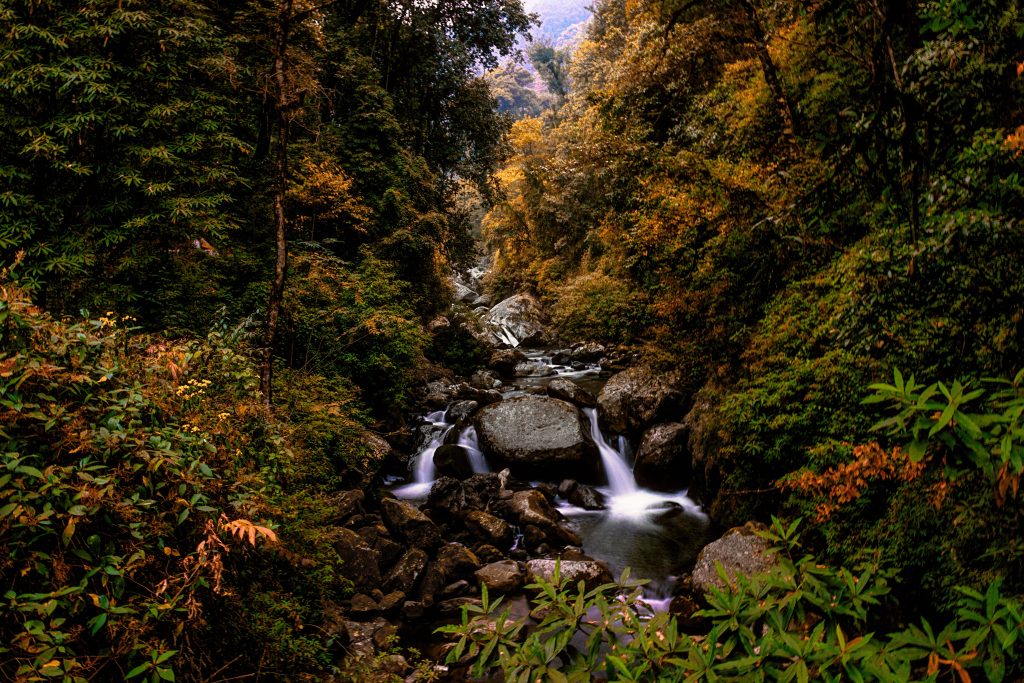
Kathmandu Exhibit and Repository
Birds of Nepal continues to serve as an invitation for discovery and conservation. Inspired by the artwork and cultural legacy that is the spirit of Robert Fleming’s work, a first-of-its-kind exhibition showcasing the original artwork and honoring the living and descendant creators is scheduled in Kathmandu in February of 2027. This celebration combines the works of artists and scientists, and the incredible photography captured by Robert himself.
From Robert’s efforts establishing camera and audio equipment, the following soundbite comes from a summer visitor and breeding bird in the foothills of Nepal: The Large Hawk Cuckoo.
Scientific Name: Hierococcyx sparverioides | Common Name: Large Hawk-Cuckoo | Local Name: Pahadi Biu Kuhiyo, Golsimal
We invite you to explore Birds of Nepal – at the exhibit, or through Fleming’s signature digital archive, held as a public trust and open source digital media repository for researchers, conservationists, bird- and animal- lovers, available at: photos.future.edu